Model Library
Browse and deploy state-of-the-art AI models through the DEVUP Gateway.
Loading models...
Model Library
Browse and deploy state-of-the-art AI models through the DEVUP Gateway.
Browse and deploy state-of-the-art AI models through the DEVUP Gateway.

Wan 3.0 is Alibaba's unified video generation model, and unification is the point: one endpoint replaces the separate text-to-video, image-to-video, reference-to-video, and video-editing models of the previous generation. It produces clips from two to thirty seconds at up to 1080p, with audio generated in the same pass rather than added afterwards. Its distinguishing capability is the breadth of what it will accept as a reference — not only text, images, audio, and video, but documents, spreadsheets, slide decks, and web pages. Hand it a product spec or a quarterly deck and the output is a finished clip rather than a storyboard.

P-Video-Avatar does one thing and does it fast: it makes a still portrait speak. Give it a single image and either a script or an audio track, and it returns a lip-synced video of that person delivering the words — with body movement, expression, and a background that behaves. Speech can come from your own recording or from thirty built-in voices across ten languages, so a script-to-video pipeline needs no external text-to-speech step. Output follows the aspect ratio of the input image, which makes the same portrait serve both a landscape hero cut and a vertical social clip. It is built for volume: ad variants, localized support explainers, and education segments where one approved face has to say many different things.


The 1080p high-fidelity mode in PixVerse renders videos with significantly enhanced sharpness and visual clarity, capturing intricate details and providing a crisp, professional-grade quality suitable for more polished projects.

PixVerse's 720p resolution offers a fast and reliable option for generating standard HD videos, ideal for quick previews and social media content where generation speed is prioritized over maximum detail.

PixVerse V6 redefines AI video by shifting from isolated generation to a unified, model-driven workflow. Key upgrades include 15-second durations at 1080p resolution and a multi-shot engine. This transition allows creators to move beyond short clips toward meaningful narrative production and professional-grade marketing assets suitable for 2026 digital distribution standards.

PixVerse V6 redefines AI video by shifting from isolated generation to a unified, model-driven workflow. Key upgrades include 15-second durations at 1080p resolution and a multi-shot engine. This transition allows creators to move beyond short clips toward meaningful narrative production and professional-grade marketing assets suitable for 2026 digital distribution standards.

A new-generation professional-grade multimodal video creation model developed, supports video generation with multimodal reference inputs including images, videos and audio.

ByteDance's Seedance 1.5 Pro is a professional video model using V2A native generation for integrated, synced audio-visual output, enhancing efficiency of professional video creation.
Real-time AI video generation from text, images, and audio. Supports up to 1080p at 48 FPS with built-in audio generation, draft mode for 4x faster previews, and prompt upsampling.
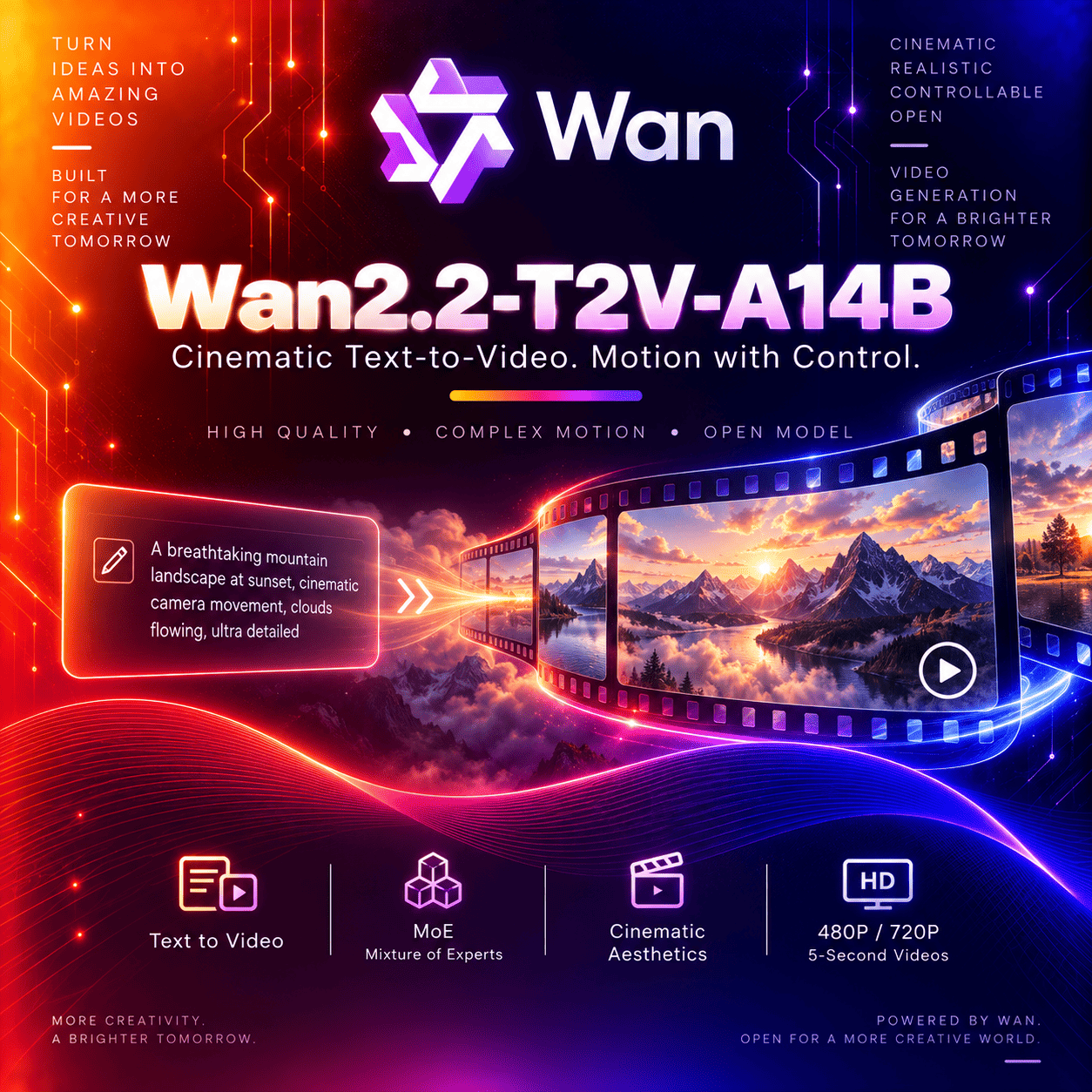
Wan 2.2 T2V brought Mixture-of-Experts into video diffusion, and it split the work along an axis language models cannot use: time. Two fourteen-billion-parameter experts divide the denoising process between them — one handling the early steps where overall layout is decided, the other the later steps where detail is refined. Twenty-seven billion parameters in total, fourteen active at any step, so inference cost and GPU memory stay close to a single-expert model. The handover point is computed from the signal-to-noise ratio rather than set by hand, and the team published the ablation that proves the design: four configurations tested, the full two-expert version reaching the lowest validation loss.
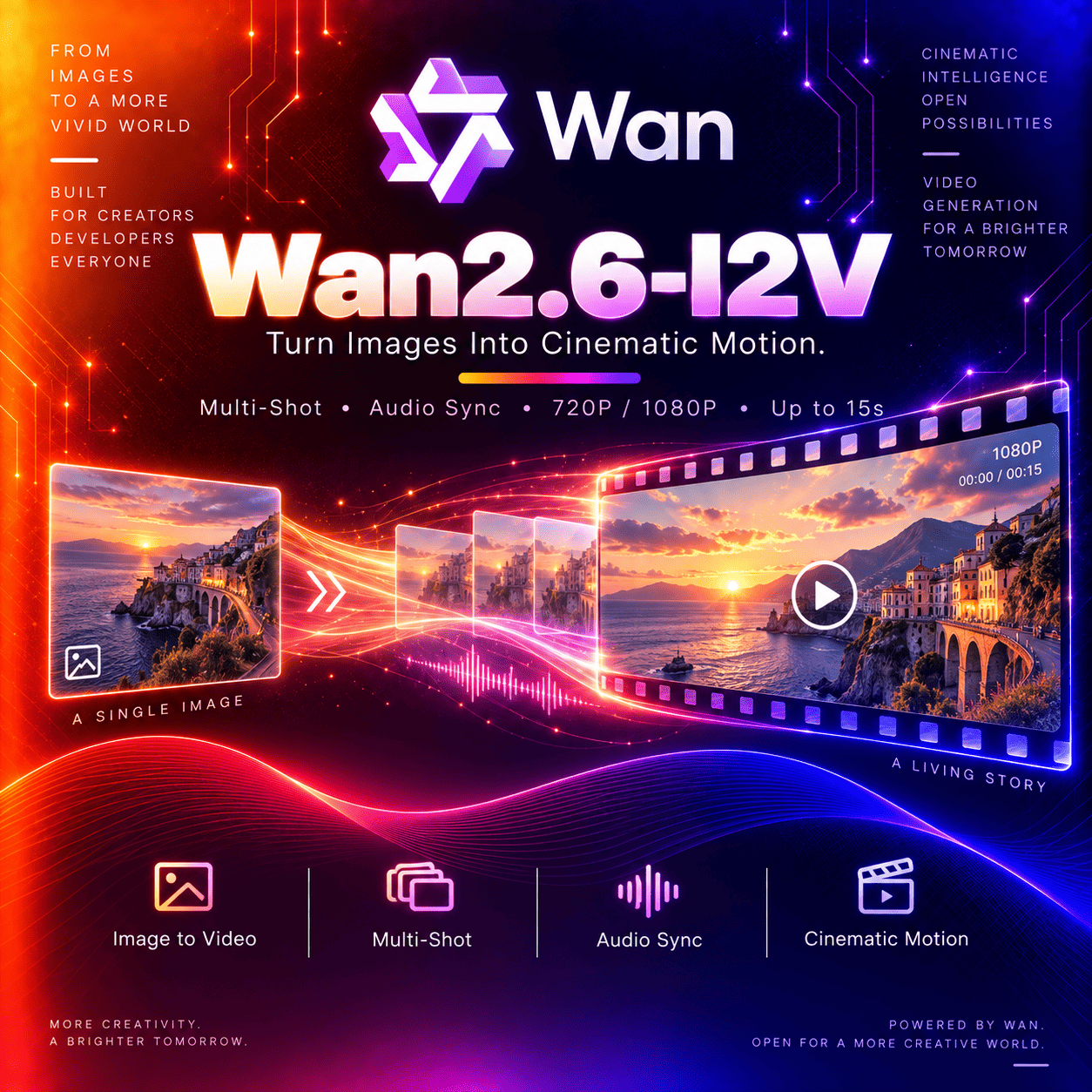
Wan 2.6 I2V animates a still image, and it brings the soundtrack with it. Audio is generated in the same pass as the picture — dialogue, effects, and lip movement together — rather than added afterwards against finished footage, which is what makes generated speech land in time with the mouth producing it. It also plans multiple shots from a single description, holding character appearance and lighting steady across camera transitions inside one clip. Output runs to fifteen seconds at 1080p and 24 frames per second, from a reference image plus a prompt directing motion, camera behaviour, and sound.
Turn any prompt into a smooth video. Intelligent shot scheduling supports multi-shot storytelling, generating multi-shot narrative videos with consistent subjects, scenes, and atmosphere
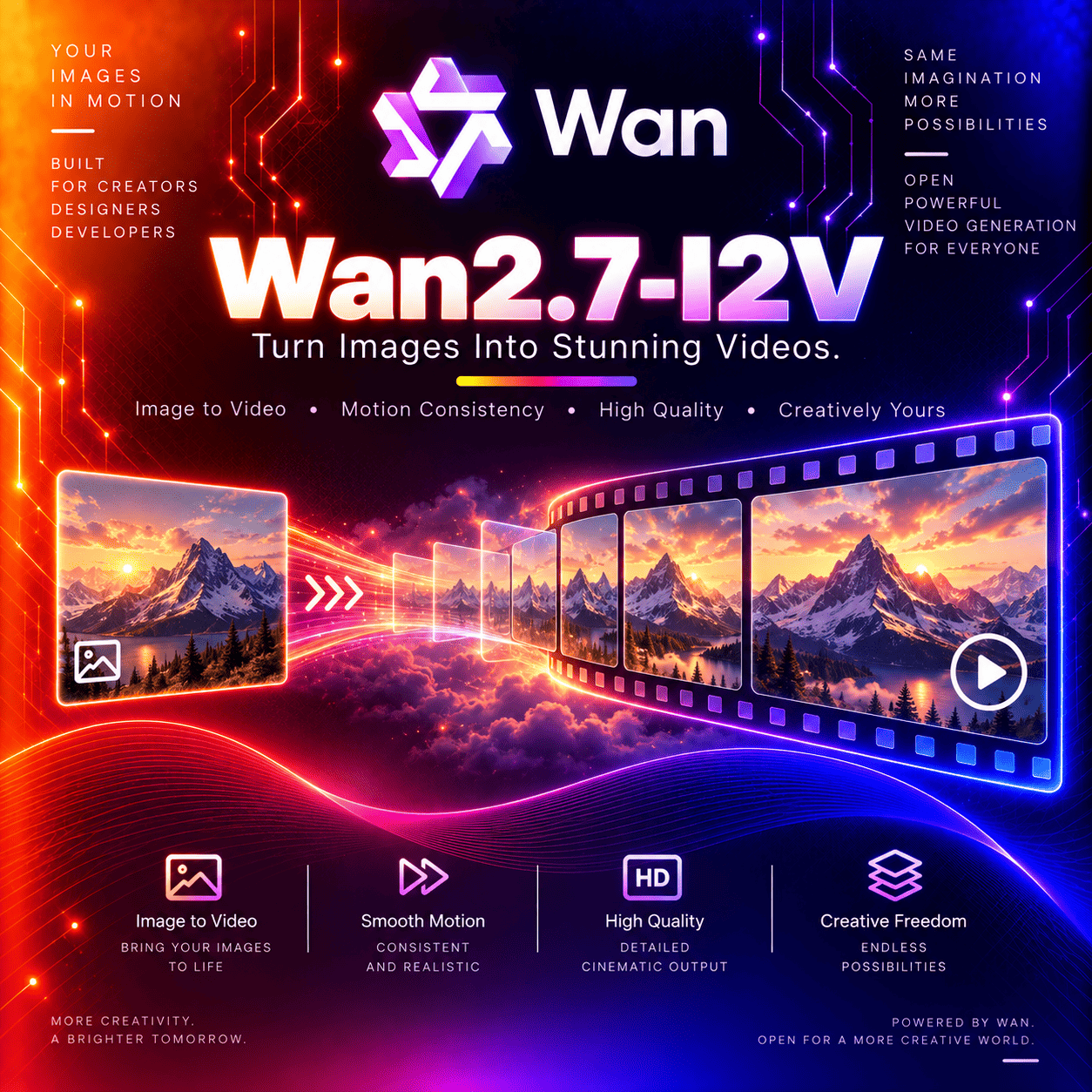
Wan 2.7 I2V turns one task into three: animate a first frame, interpolate between a first and last frame, or continue an existing clip. It also accepts a driving audio track — supply a recording and the model synchronises lip movement and action timing to it, which is how a still portrait ends up performing a song rather than mouthing approximately. Without audio it generates its own music and effects. Output runs from two to fifteen seconds at 720p or 1080p, with the aspect ratio following whatever you sent in, and a seed parameter for repeatability that the generation before it did not offer.

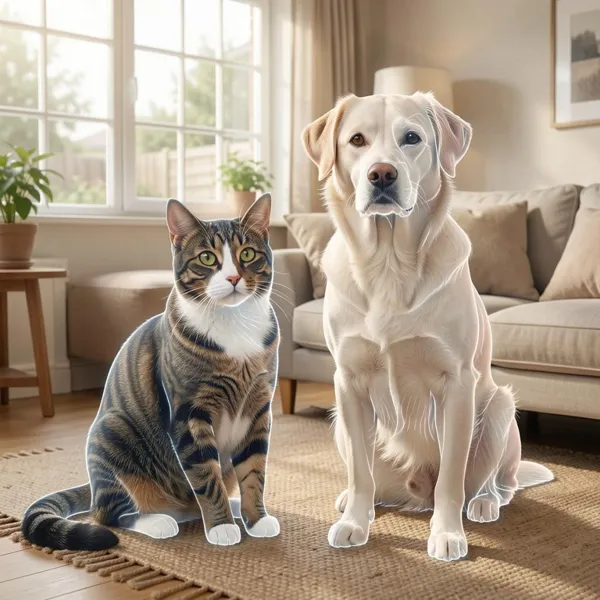
Automatically identify and segment foreground objects across video frames and generate a mask. No prompts, just a video.
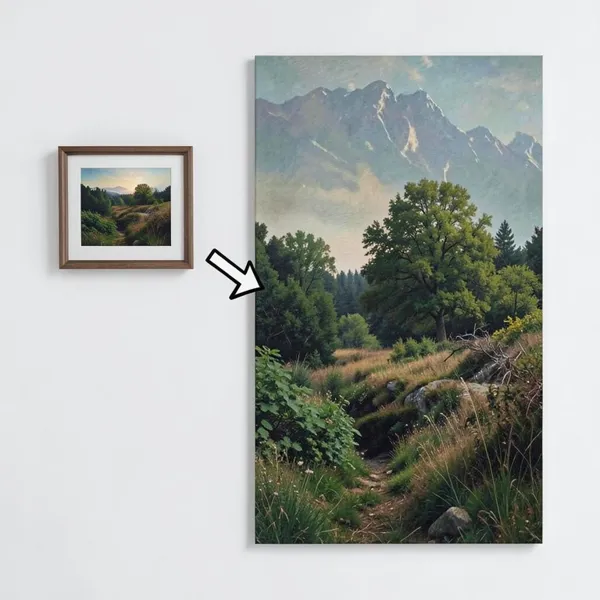
Increase video resolution up to 8K with advanced AI upscaling. Bring your videos to the big screen, ready for the screens of tomorrow.
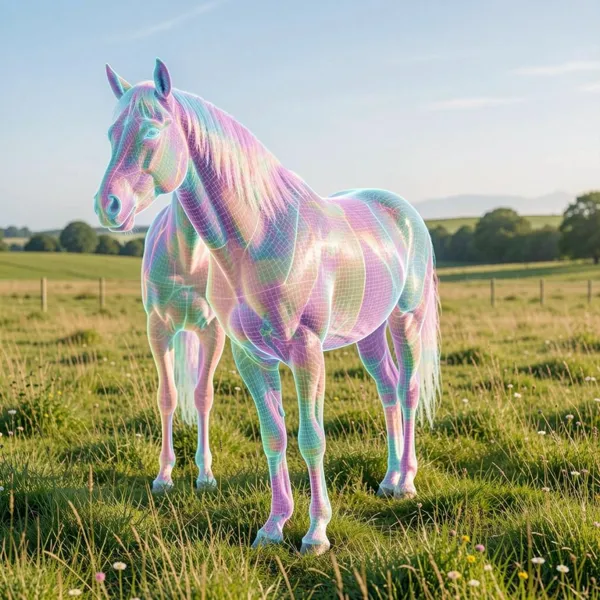
Identify and segment objects across video frames using specific coordinate points. Just point in the right direction and the model will figure out by itself which object should be masked.
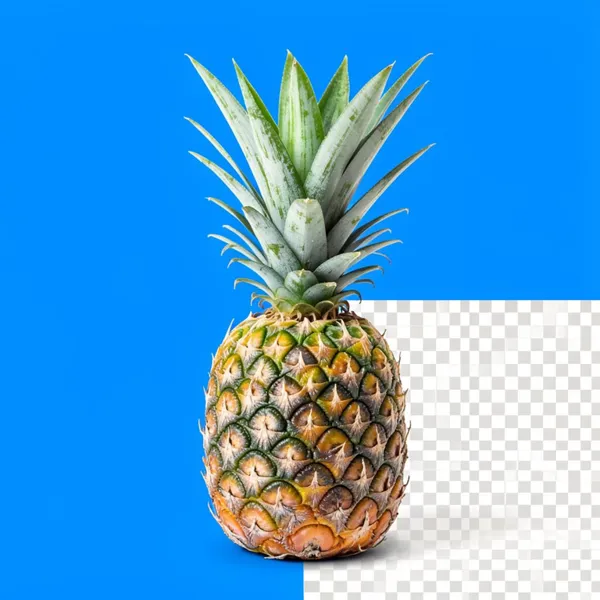
Light and fast. Remove the background of your videos to bring the foreground elements to focus. No more unwanted distractions.
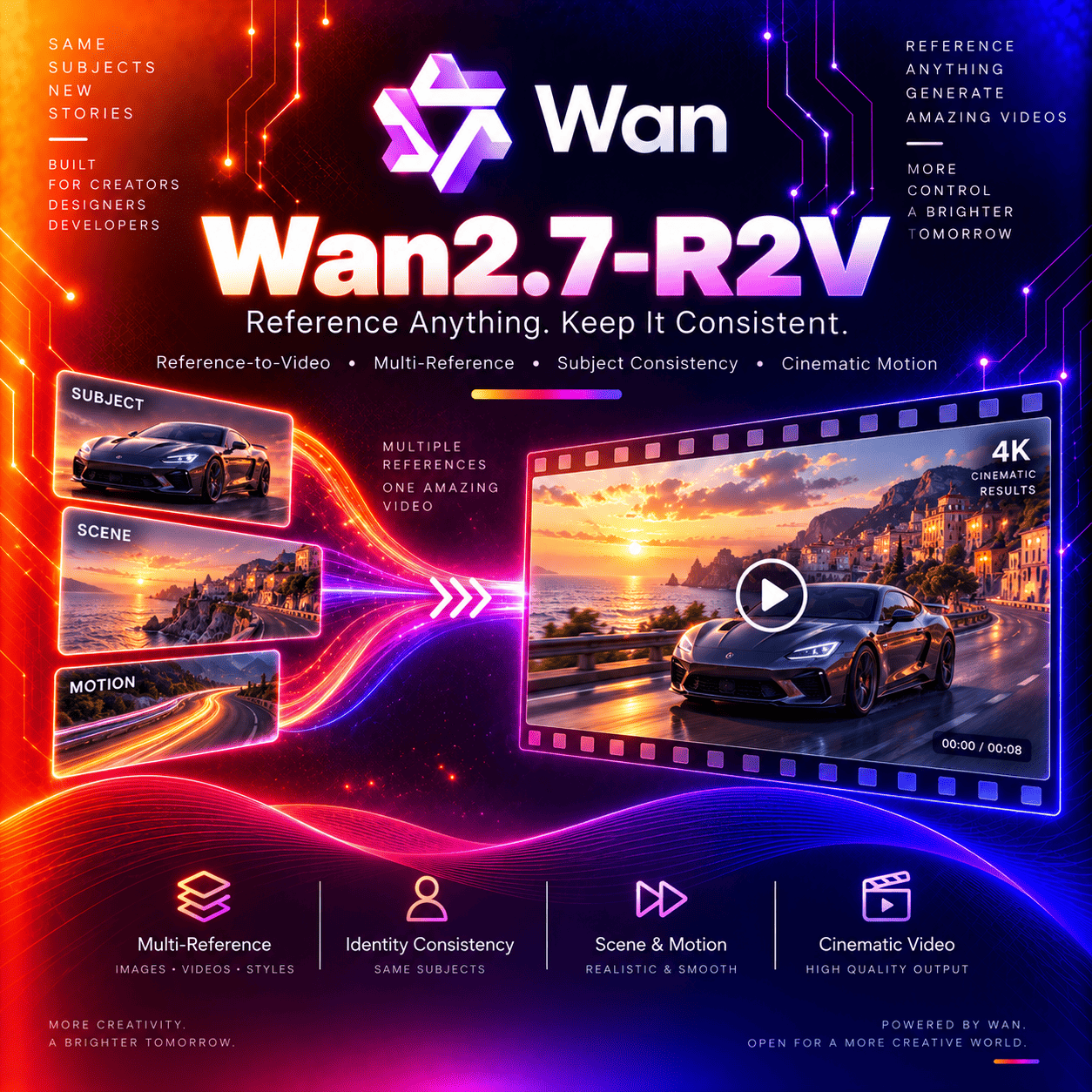
Wan 2.7 R2V keeps a subject recognisable across every clip you generate. Instead of describing a character and hoping for consistency, you supply reference images or video clips as identity anchors — up to five, mixed freely — and address them in the prompt by position: image 1, video 2. Each one maps to a character slot, so a two-person scene has two independently controlled likenesses. A separate voice reference clones vocal timbre from a short audio sample, meaning the generated speech sounds like the person rather than like a generic voice. Output runs to 1080p with audio included by default.

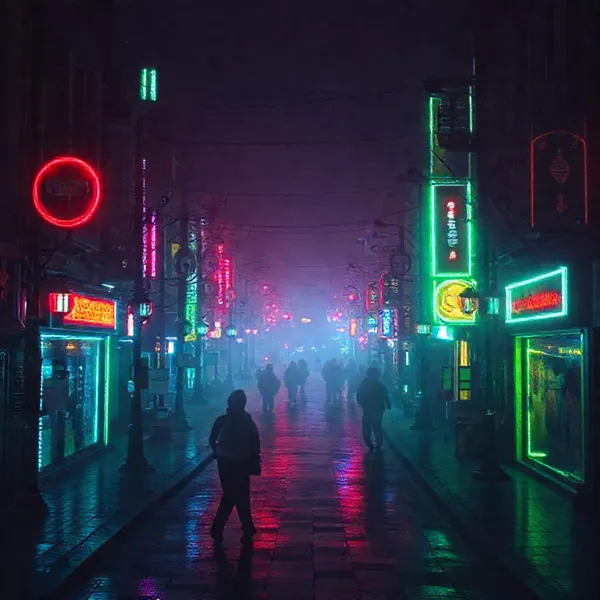
Veo 3.1 is the latest text-to-video model from Google that generates high-fidelity, cinematic videos with synchronized audio from a simple text prompt. It excels at creating realistic and imaginative scenes with a deep understanding of natural language and visual dynamics.

Veo 3.1 is the latest text-to-video model from Google that generates high-fidelity, cinematic videos with synchronized audio from a simple text prompt. It excels at creating realistic and imaginative scenes with a deep understanding of natural language and visual dynamics.


