Model Library
Browse and deploy state-of-the-art AI models through the DEVUP Gateway.
Loading models...
Model Library
Browse and deploy state-of-the-art AI models through the DEVUP Gateway.
Browse and deploy state-of-the-art AI models through the DEVUP Gateway.

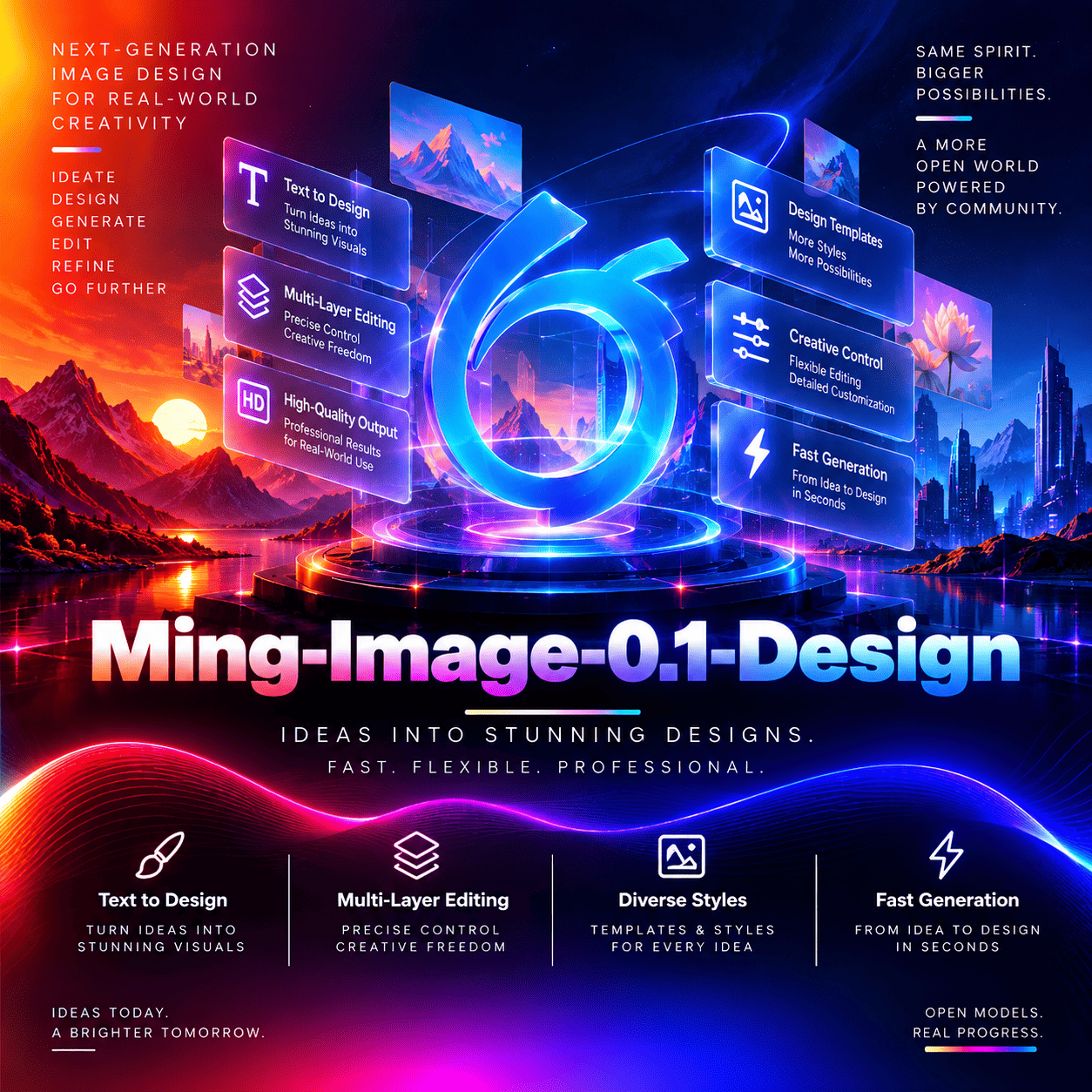
Ming-Image-0.1-Design generates the kind of image most models get wrong: the kind with words in it. UI screens, infographics, posters, and text-rich compositions, at six billion parameters, with RGBA output and genuinely transparent backgrounds rather than white ones. Its sampling configuration is unusual — twelve steps at a guidance scale of 1.0, which means no classifier-free guidance at all, because the model was trained to arrive rather than to be pushed. Two resolution buckets, 1024 and 2048, and MIT licensing with no conditions attached.
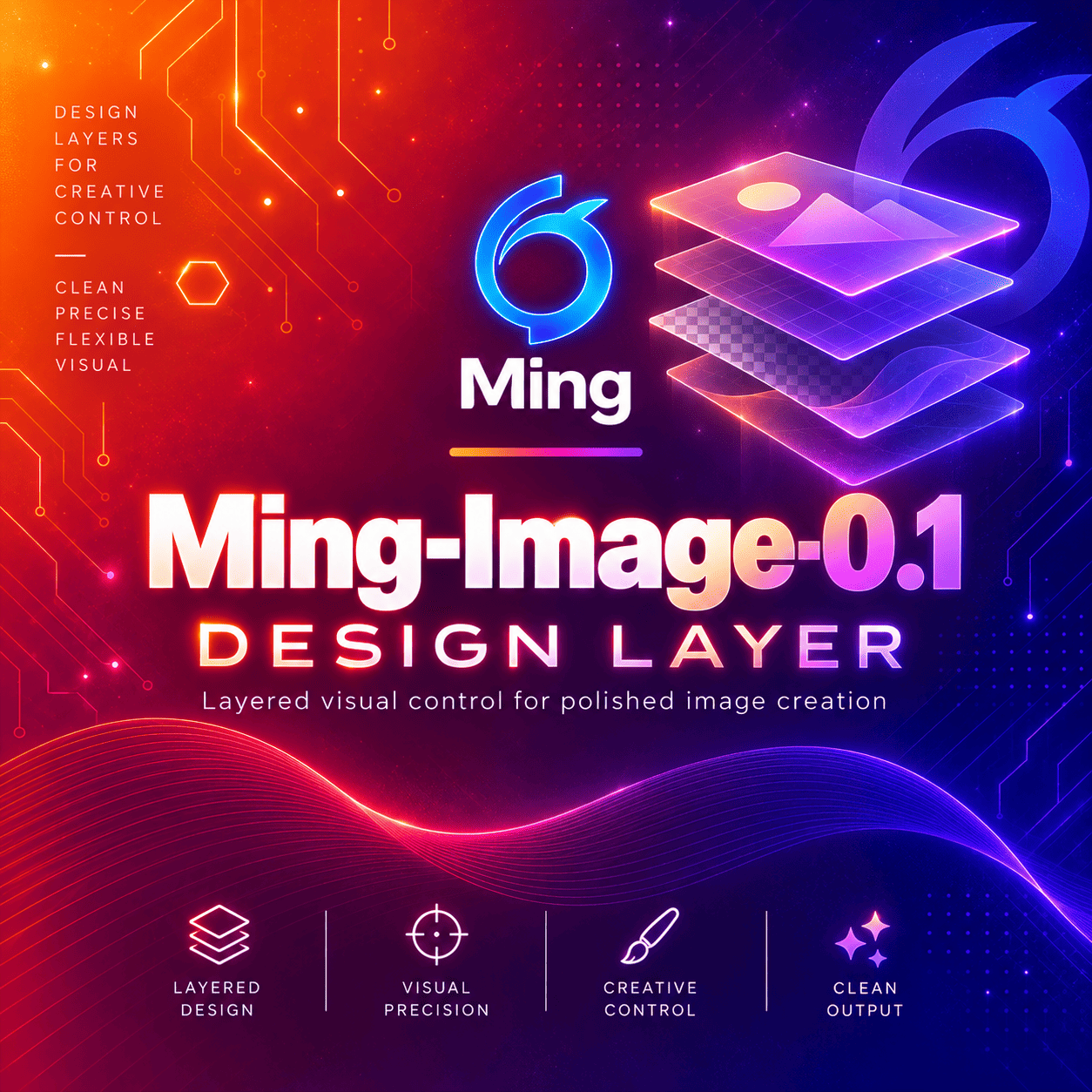
Ming-Image-0.1-Design-Layer runs image generation backwards. Every other image model in this catalogue turns a description into a picture; this one takes a finished, flattened design and pulls it apart into separate transparent RGBA layers — the background, the shapes, the text, each on its own canvas and each independently editable. You supply the image and a layer plan saying how many layers you want, and it returns them alongside a recomposed version you can check the result against. Six billion parameters, twelve sampling steps, MIT licensed.

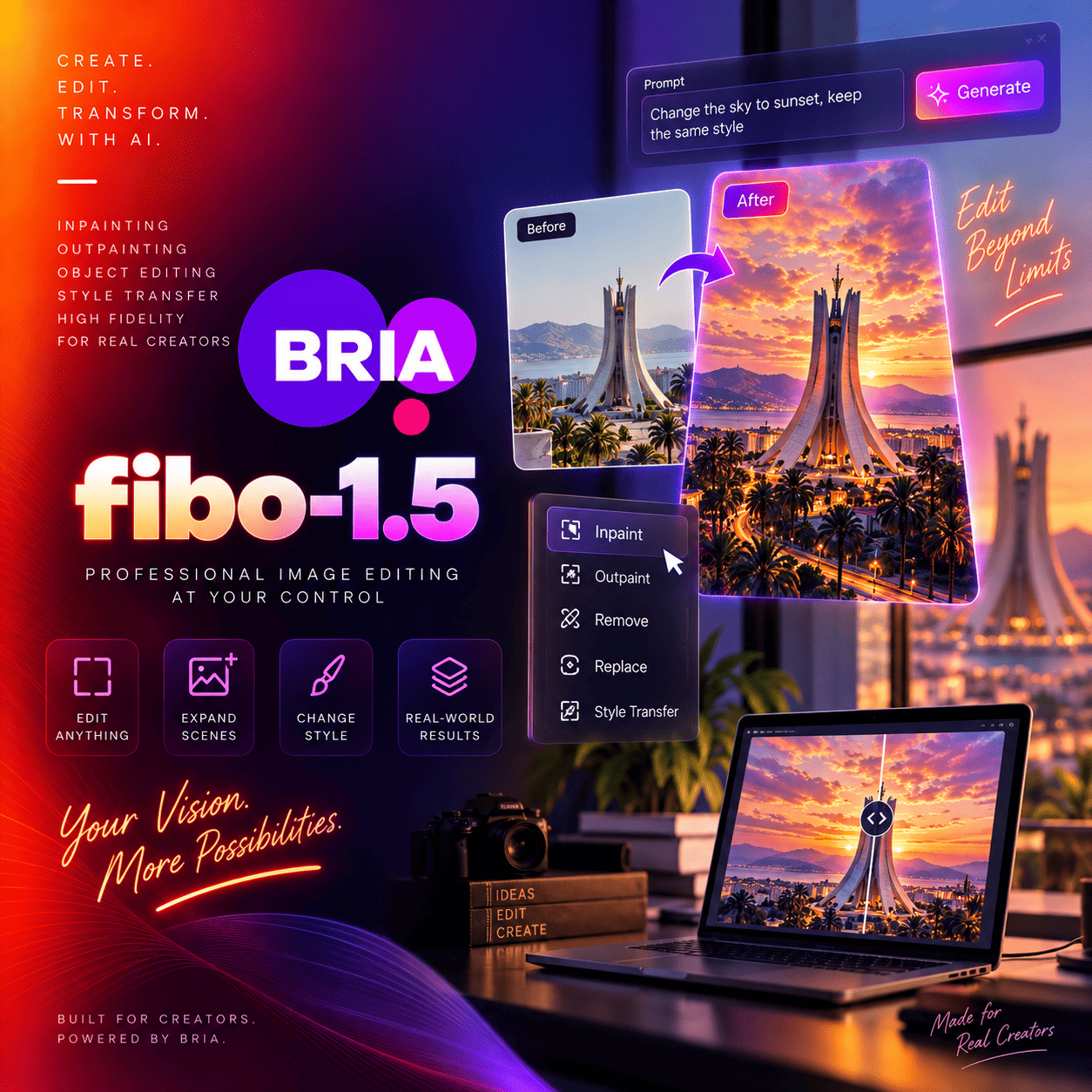
FIBO 1.5 is a distilled release of Bria's JSON-native text-to-image model: the same 8-billion-parameter architecture and the same structured control, generating in four to six inference steps instead of fifty. The base model was trained entirely on long structured JSON captions rather than free-form text, which is what gives it disentangled control — change the camera angle without disturbing the lighting, adjust the lighting without touching the composition. That also makes it strict about input: it expects a structured prompt and does not work well with a sentence. Trained exclusively on licensed data, it is built for production pipelines where reproducibility and provenance matter more than creative surprise.
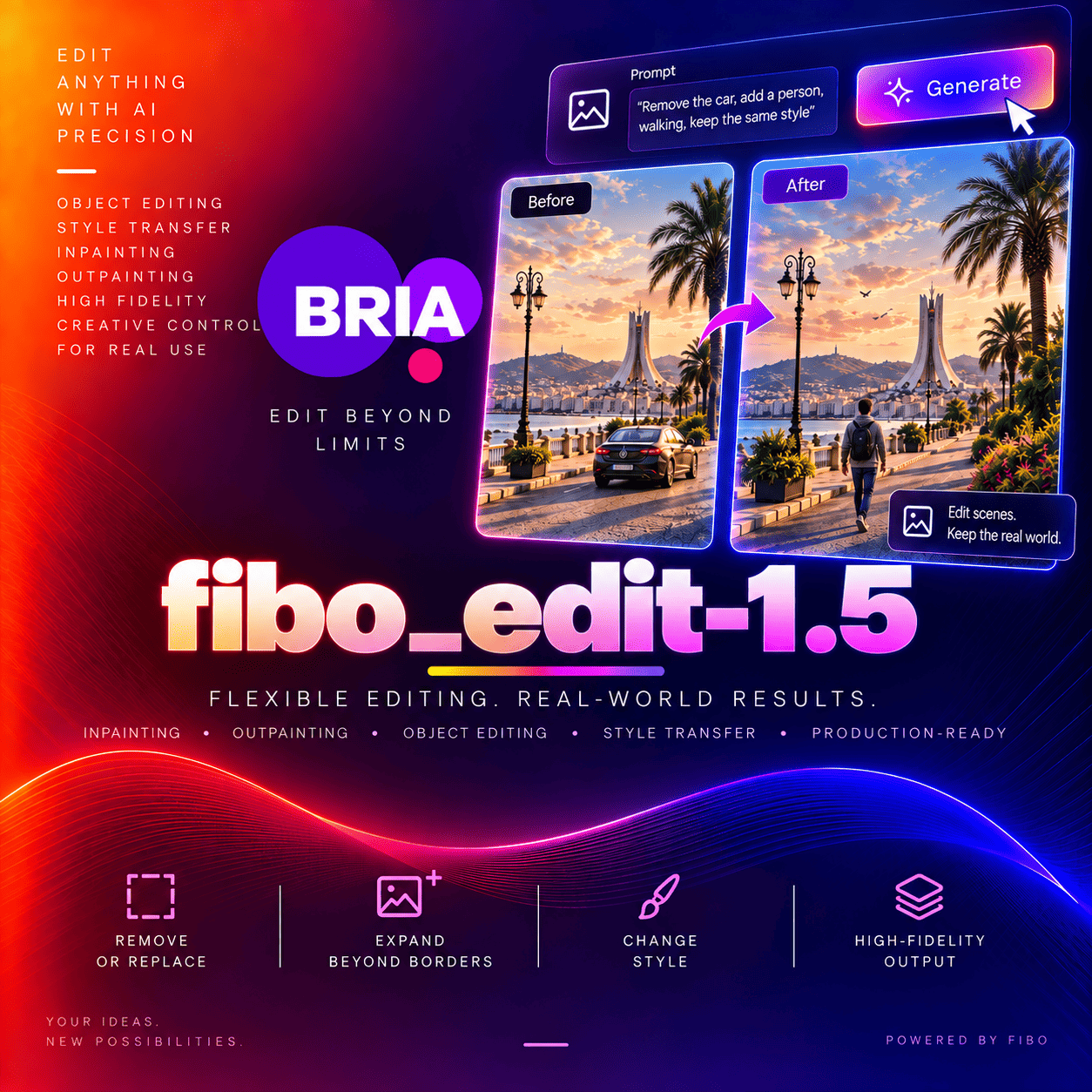
FIBO Edit replaces prompt guessing with structured control. Instead of describing an edit in free-form text and hoping the model changes only what you meant, you supply a JSON blueprint that names lighting, composition, style, and camera settings explicitly — and the model changes those and nothing else. The same input produces the same output, which makes edits reproducible and auditable rather than probabilistic. Native mask support targets pixel-perfect regions while freezing the rest of the image. At eight billion parameters it is built for production pipelines, and it is trained exclusively on licensed data, which gives commercial teams something most image models cannot: legal clarity about what went into it.
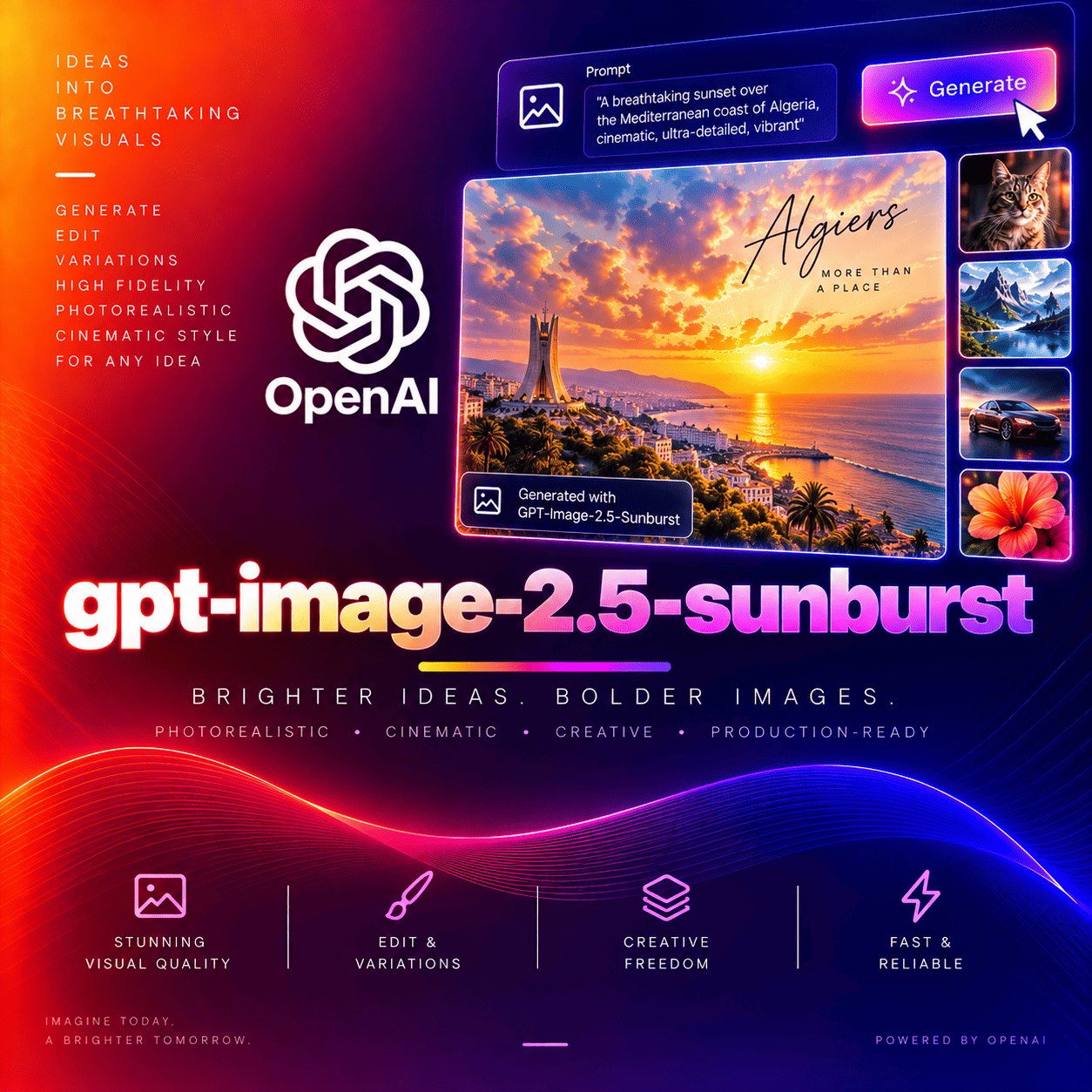
GPT Image 2.5 Sunburst is OpenAI's most capable image model, built for work that will be inspected closely and revised repeatedly. It ranks first on human-preference text-to-image evaluation and leads its own family on editing, which makes it the tier for production campaign creative, polished product imagery, and any visual that has to survive several rounds of art direction without drifting. It accepts up to sixteen reference images, supports masked inpainting, generates on transparent backgrounds, and renders at arbitrary dimensions up to 3840×2160. Five quality levels reach two steps beyond where the previous generation stopped, which is what makes fine print inside an image viable.
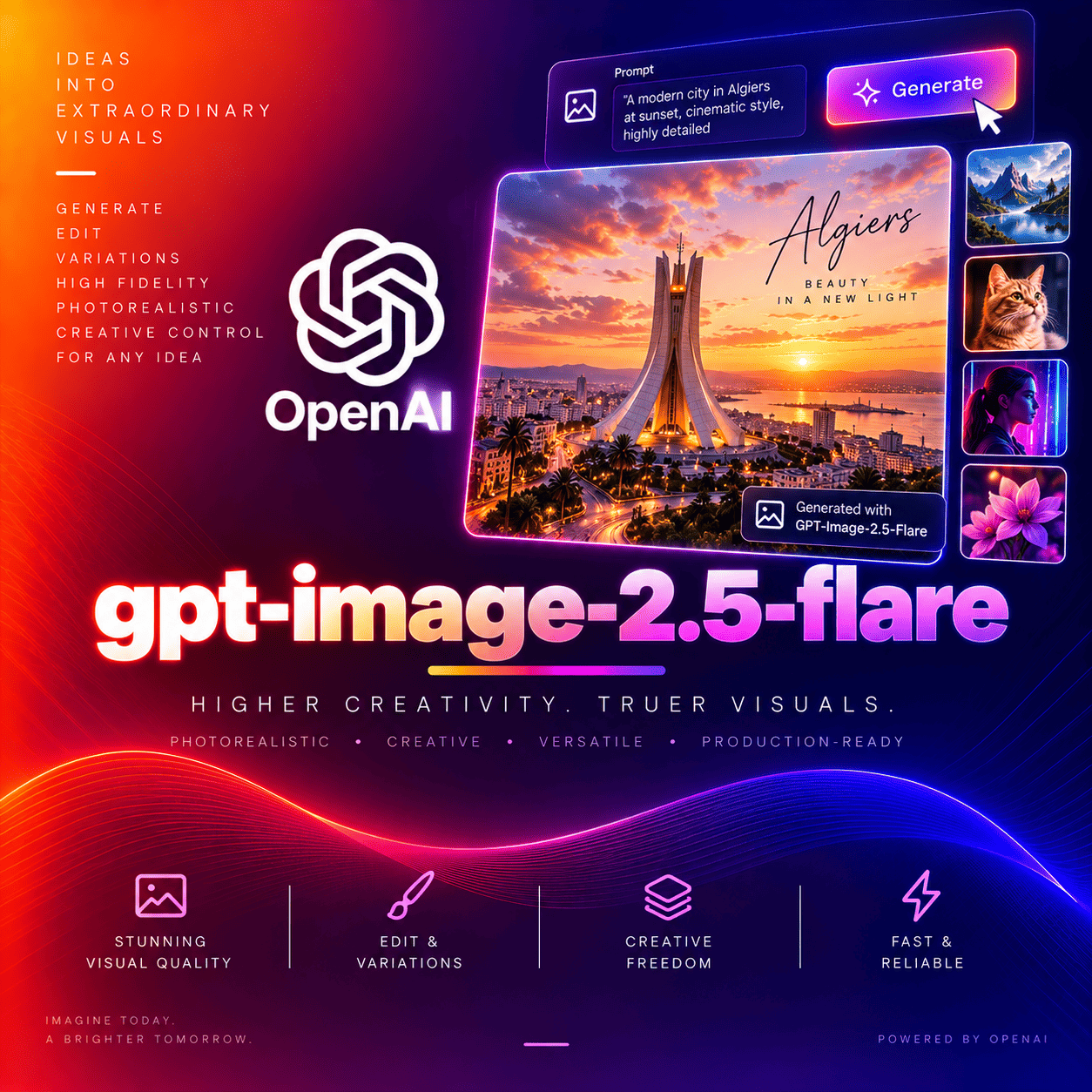
GPT Image 2.5 Flare is OpenAI's fastest model for high-quality image generation and editing, delivering better images than GPT Image 2 at up to half the latency. The gains land specifically in editing: independent leaderboards place it clearly ahead on image editing while the text-to-image gap is narrower. It changes only what you name — swap a product, a colour, a background, and the lighting and composition around it stay as they were — and earlier changes hold across a chain of edits instead of drifting. It handles complex layouts and transparent backgrounds, generates at custom dimensions up to 3,840 pixels, and offers six quality settings.
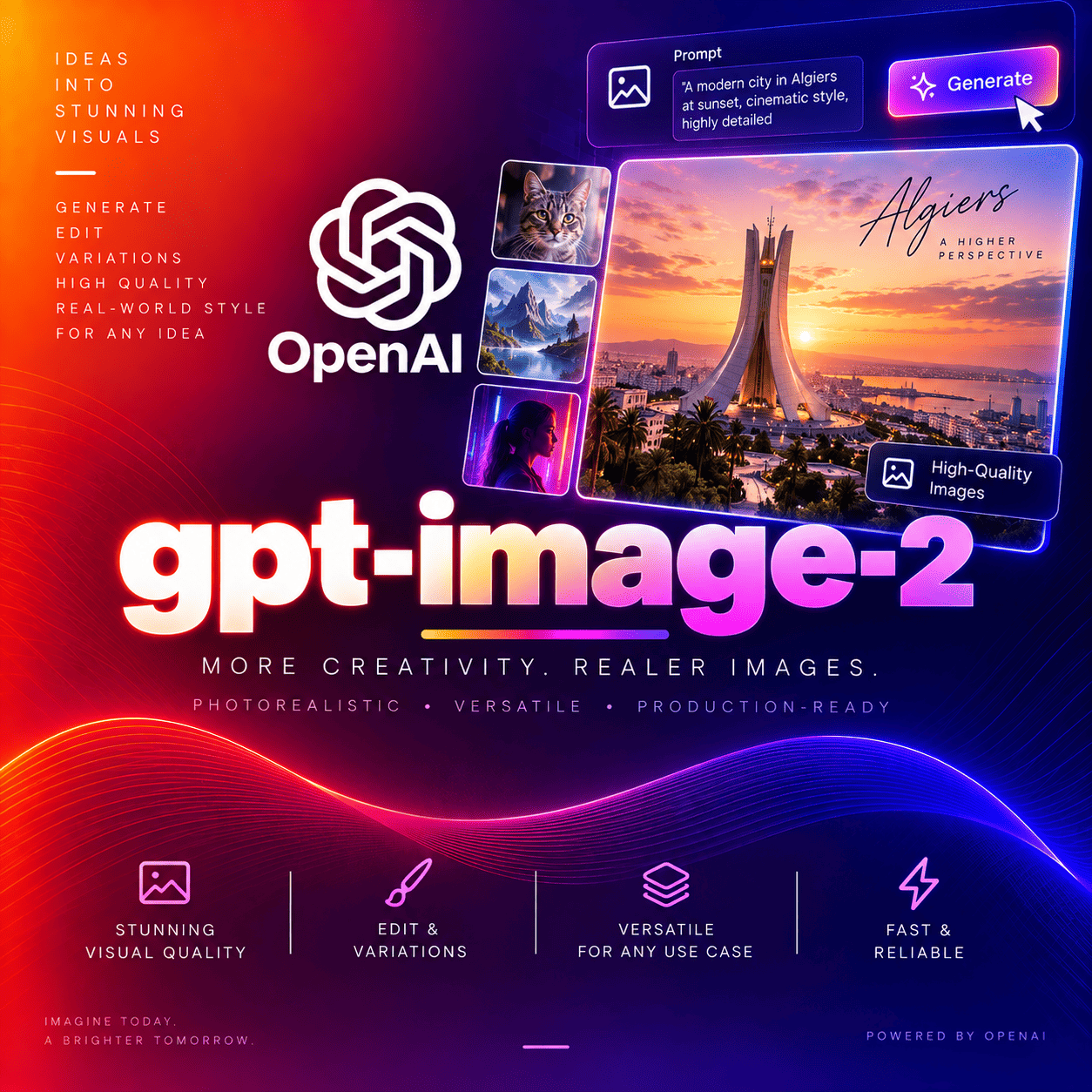
GPT Image 2 is OpenAI's flagship image model, and its defining change is that output size stopped being a menu. Rather than choosing from three fixed presets, you specify the dimensions you actually need — a 1920×1080 frame, a 2560×1440 banner, a tall portrait crop — with edges up to 3,840 pixels. Alongside that come real gains in the areas that decide whether a generated image is usable: text rendered inside the image, photorealistic surface detail, and faithfulness to long briefs with many clauses. Reference-based editing enables high-fidelity handling automatically, and mask support makes precise inpainting and outpainting possible rather than approximate.

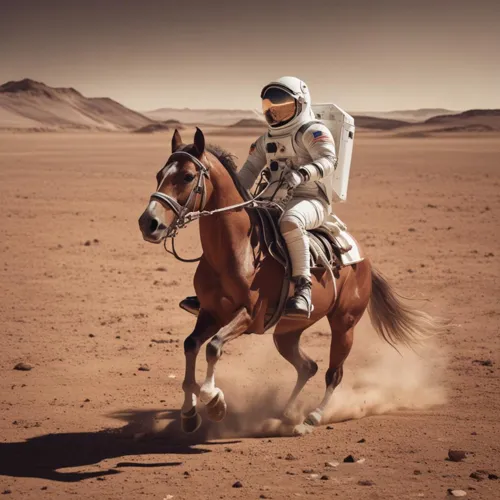
The SDXL Turbo model, developed by Stability AI, is an optimized, fast text-to-image generative model. It is a distilled version of SDXL 1.0, leveraging Adversarial Diffusion Distillation (ADD) to generate high-quality images in less steps.

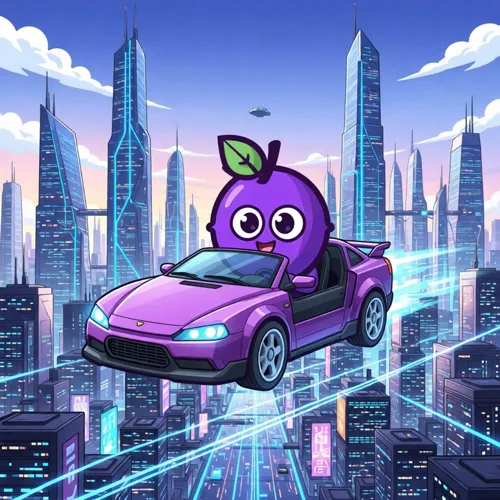
P-Image-Edit is a high-precision image editing model that applies complex transformations, insertions, removals, and style adjustments in under a second. It delivers state-of-the-art accuracy, clean boundaries, and reliable prompt alignment, making multi-step edits fast, consistent, and production-ready.
P-Image is a state-of-the-art real-time generation model with exceptional text rendering, fine-detail accuracy, and rock-solid prompt adherence. It’s built for instant creativity at high-fidelity images in about one second at a fraction of typical model costs.

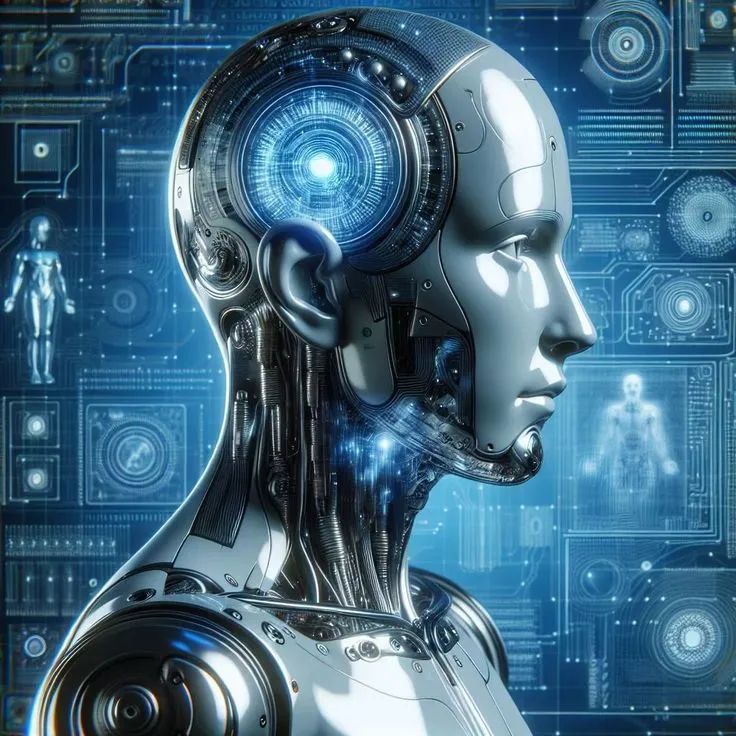
ClarityAI/creative is an AI-powered image upscaler that enhances details, adds realism, and creatively modifies images to improve their quality and visual appeal.


The latest image model, delivering better editing consistency, improved multi-image fusion, finer detail control, natural small text and faces, and harmonious, aesthetic visuals.

Seedream 4.0 is a SOTA multimodal image creation model built on leading architecture. It breaks through the boundaries of traditional text-to-image models by natively supporting text, single-image, and multi-image inputs. Users can freely combine text and images to achieve diverse creative modes within a single model—such as multi-image blending, image editing, and sequentially batch image generation, featuring subject consistency, making image creation more free and controllable.
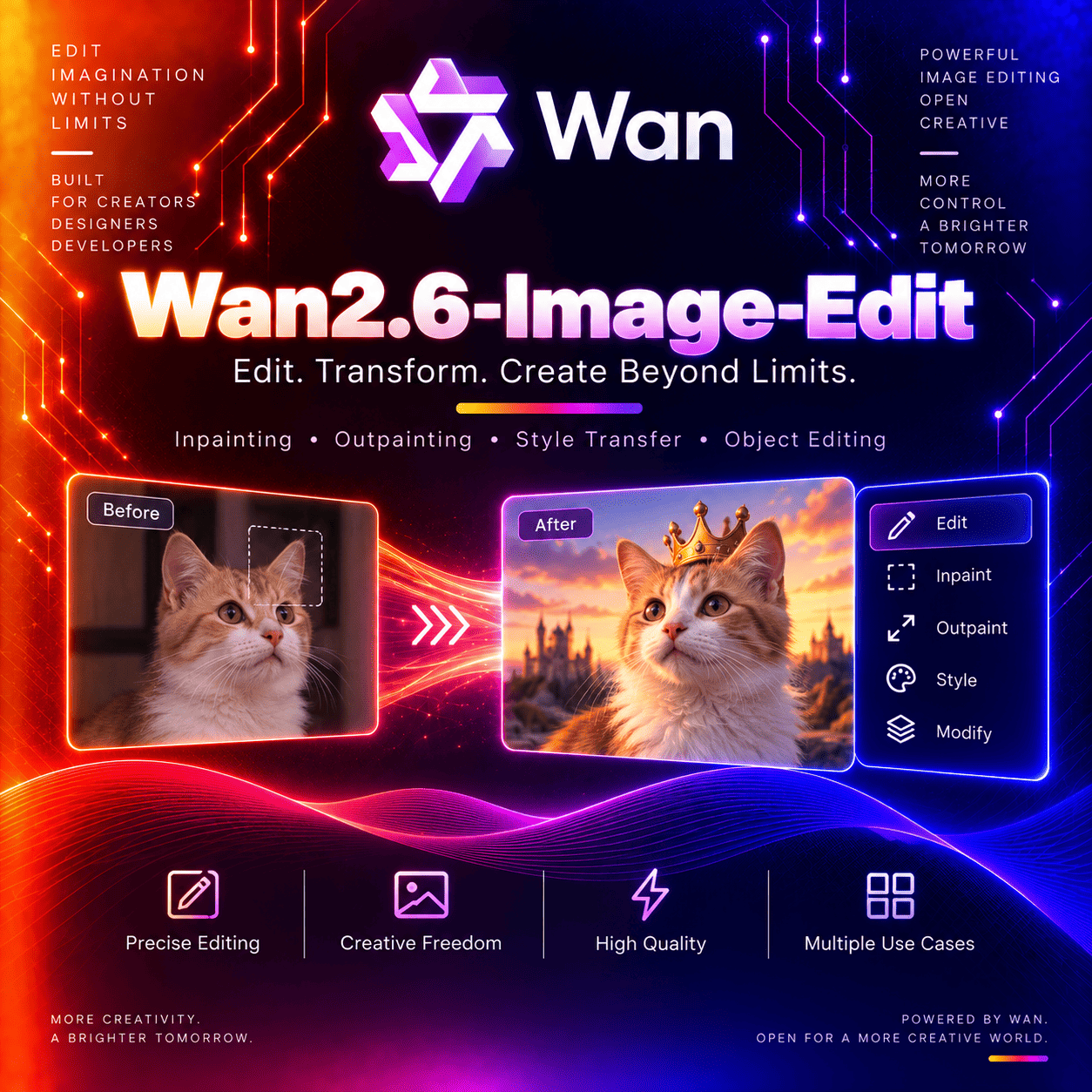
Wan 2.6 Image Edit changes what you name and leaves the rest of the picture alone — lighting, colour, objects, materials, style, all directed in natural language while composition and subject structure hold. It accepts up to four reference images and addresses them by position in the prompt, so a single request can take a face from one image, a garment from another, and a setting from a third. It also renders text inside the image it produces, which is what separates a usable poster or packaging mockup from an approximate one. Output can mix text and images together rather than returning a picture alone.
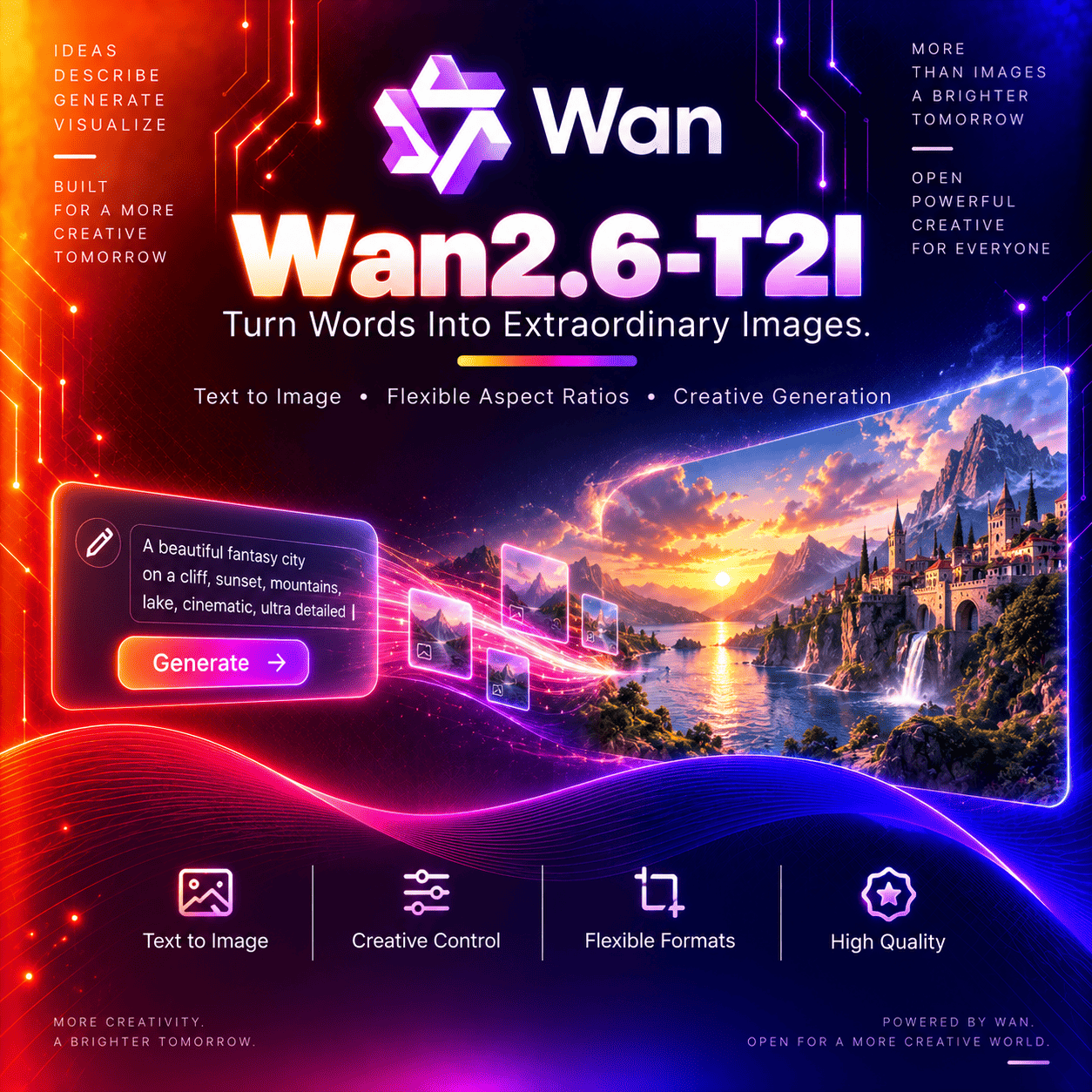
Wan 2.6 T2I generates images from text alone — no reference image, no editing, one job. It renders up to 2048 by 2048 pixels across configurable dimensions, covering both photographic realism and stylised work from a single model. Its distinguishing control is a negative prompt: a second field describing what to keep out of the frame, which the newer generation in this family dropped. That makes it the current option in the Wan line for anyone whose workflow depends on exclusion — suppressing artefacts, unwanted objects, or a style that keeps creeping in — rather than on description alone.
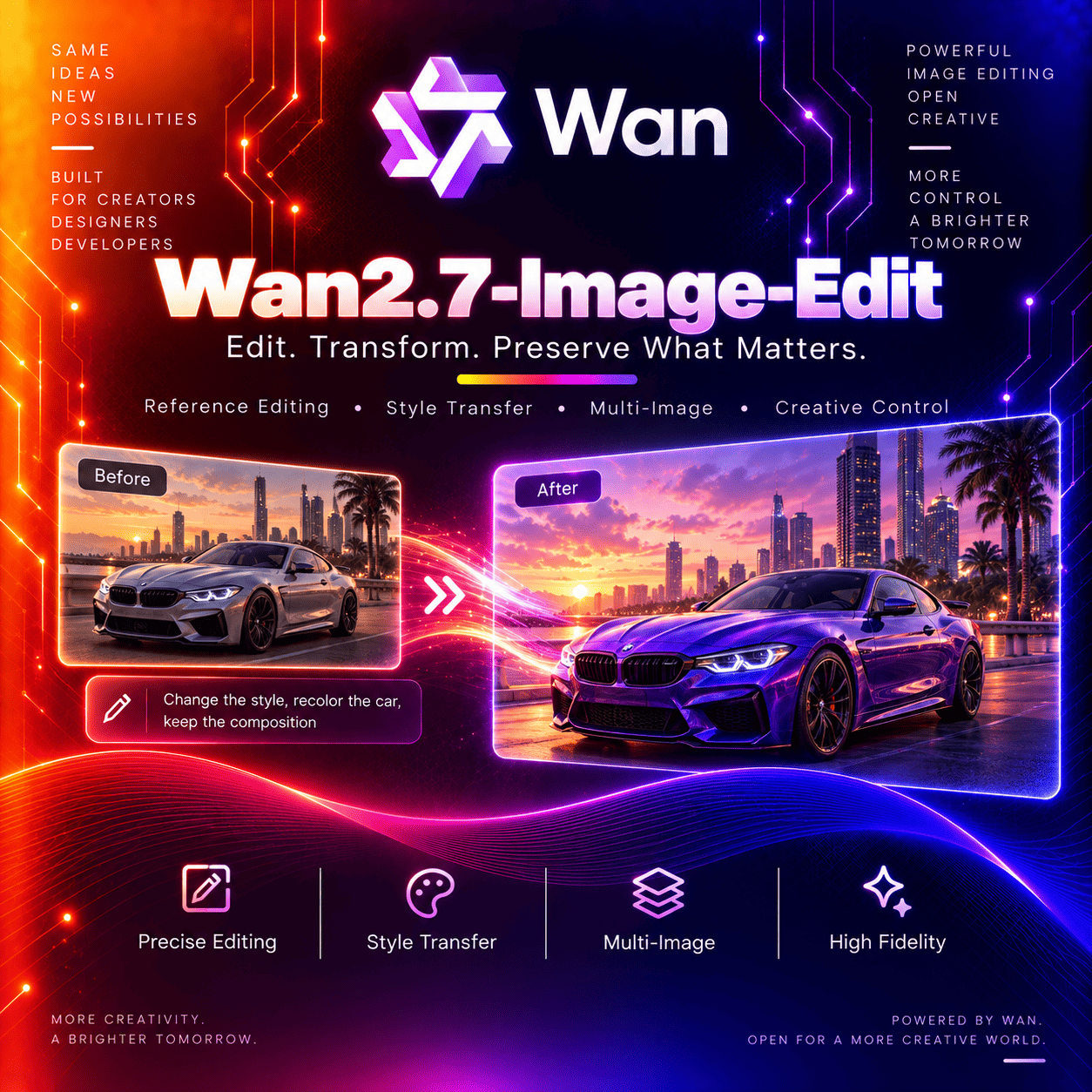
Wan 2.7 Image Edit takes coordinates. Instead of describing where to make a change and hoping the model finds it, you pass a bounding box in absolute pixels and the edit happens inside it — up to two regions per image, across as many as nine input images. That precision is what separates it from the generation before it, alongside a prompt limit raised to five thousand characters and a request format that accepts anywhere from zero images to nine, so text-to-image and multi-reference editing run through the same call. It also generates coherent image sets from one request, for storyboards and product series.
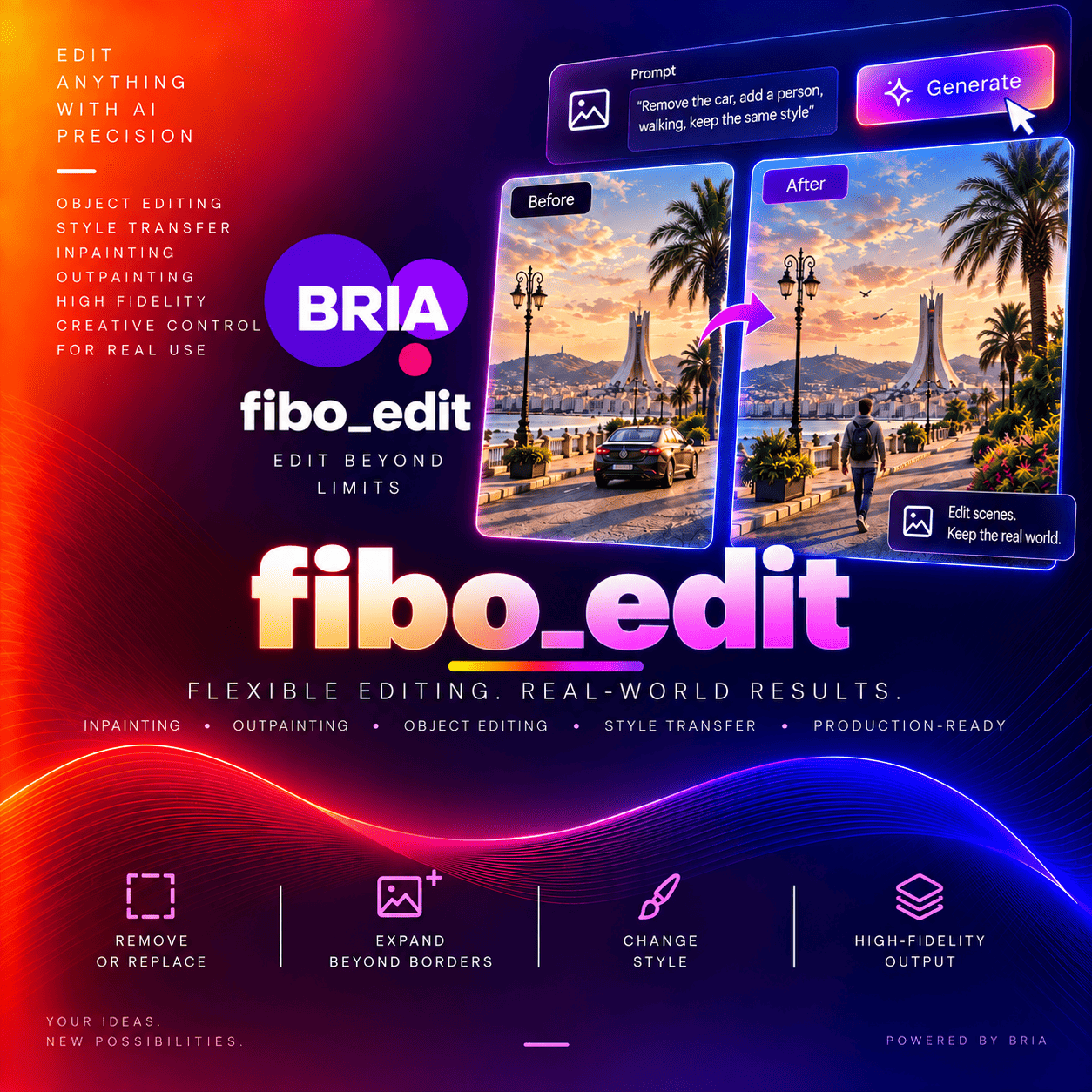
fibo_edit is a module within the Bria AI ecosystem that provides advanced, controllable editing capabilities for visual content. It enables operations such as background replacement, object removal, masking, and fine‑tuned adjustments guided by prompts or key points. Designed for creative industries and enterprise workflows, it ensures edits are high‑quality, consistent, and ethically aligned, making it suitable for professional design, marketing, and media production.
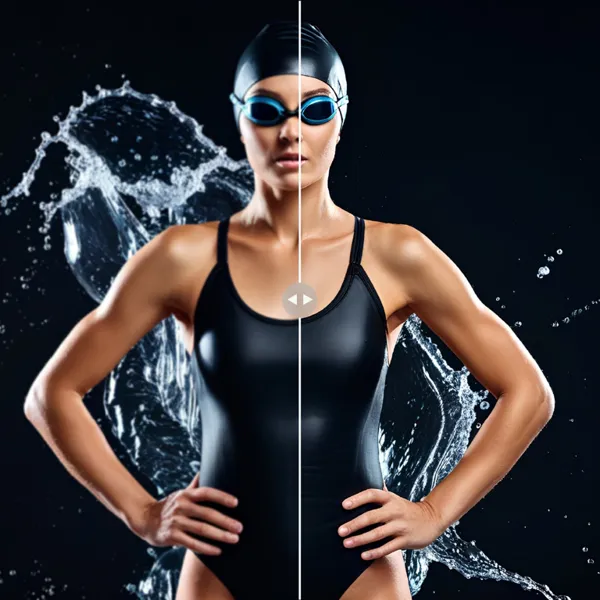
Bria Enhance improves overall image quality by sharpening details, balancing colors, and boosting clarity for crisp, professional visuals. Trained only on licensed data, it’s safe, reliable, and ready for commercial use.
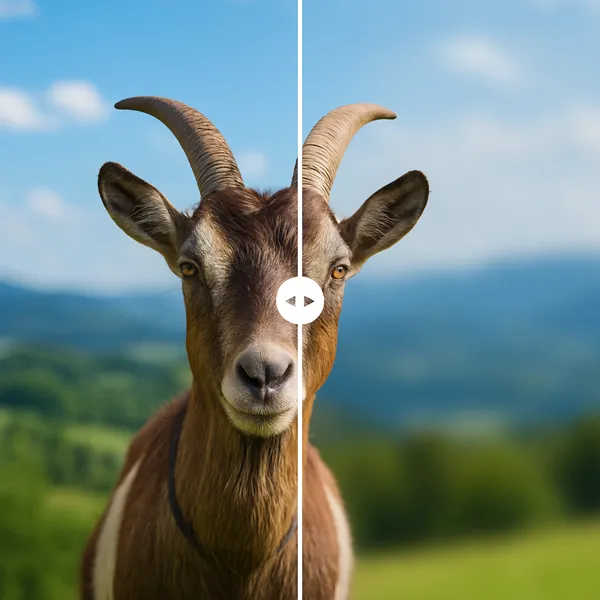
Bria Blur Background softens and de-emphasizes image backgrounds while keeping the subject sharp and clear for professional-quality results. Trained fully on licensed data, it delivers safe, natural, and commercial-ready outputs.
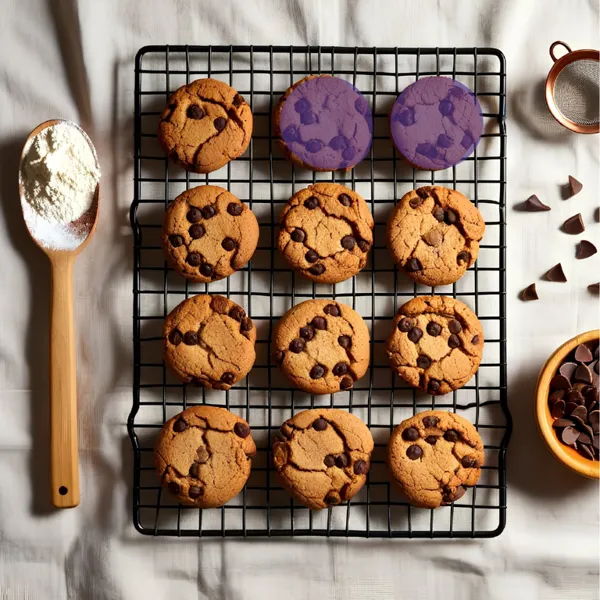
Bria Eraser enables precise removal of unwanted objects from images while maintaining high-quality outputs. Trained exclusively on licensed data for safe and risk-free commercial use
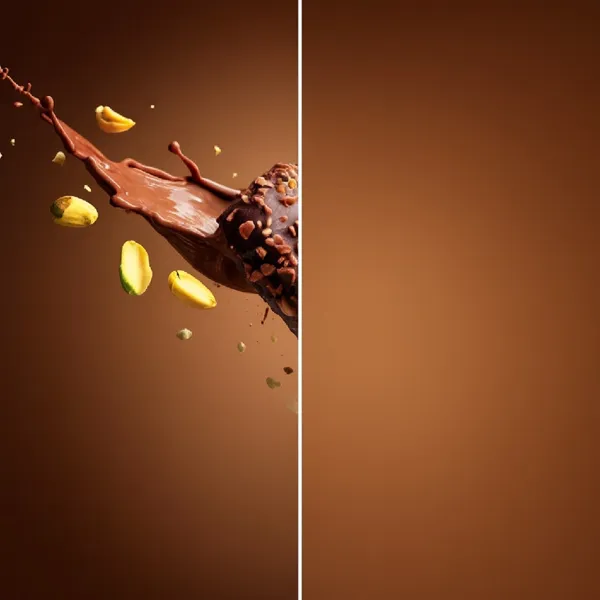
Bria Erase Foreground precisely removes main subjects or foreground objects from images. Built entirely on licensed data, it is safe and optimized for professional and commercial use.

Bria Expand expands images beyond their borders in high quality. Resizing the image by generating new pixels to expand to the desired aspect ratio. Trained exclusively on licensed data for safe and risk-free commercial use.

FIBO is an open-source, JSON-native text-to-image model trained on detailed structured descriptions (over 1,000+ words per image), providing fine-grained control over light, composition, and camera parameters.
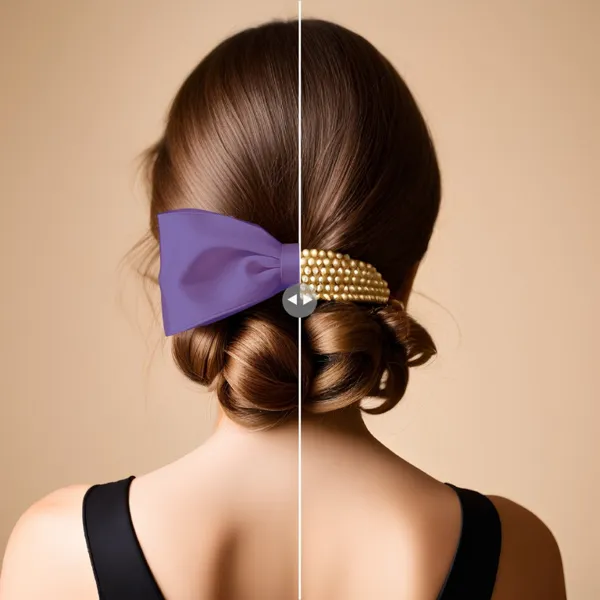
Bria GenFill enables high-quality object addition or visual transformation. Trained exclusively on licensed data for safe and risk-free commercial use.


