Model Library
Browse and deploy state-of-the-art AI models through the DEVUP Gateway.
Loading models...
Model Library
Browse and deploy state-of-the-art AI models through the DEVUP Gateway.
Browse and deploy state-of-the-art AI models through the DEVUP Gateway.


FLUX1.1 [pro] is Black Forest Labs' text-to-image model, six times faster than FLUX.1 [pro] with better image quality, prompt adherence and diversity. At its release it reached the highest overall Elo in the Artificial Analysis image arena. Request any size from 256 to 1440 pixels per side in steps of 32, at one price per image.

FLUX.2 [dev] is Black Forest Labs' 32 billion parameter open-weight model that generates, edits and combines images from text. Create from a prompt or edit with up to 4 reference images, any size up to 1920 pixels, priced by size and steps.

FLUX.2 [max] is Black Forest Labs' highest-quality image model, the top of the FLUX.2 family: the strongest prompt following and faithful style for flagship visuals, from a text prompt. Any size up to 1440 pixels, one price per image.
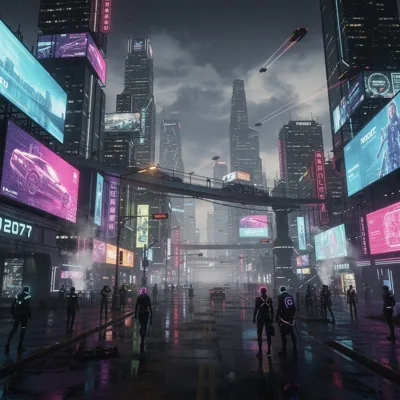
FLUX.2 [pro] is Black Forest Labs' production model of the FLUX.2 family: state-of-the-art photorealism, legible text and close prompt following, from a text prompt. Any size up to 1440 pixels, one price per image.

The CLIP model was developed by OpenAI to investigate the robustness of computer vision models. It uses a Vision Transformer architecture and was trained on a large dataset of image-caption pairs. The model shows promise in various computer vision tasks but also has limitations, including difficulties with fine-grained classification and potential biases in certain applications.

A zero-shot-image-classification model released by OpenAI. The clip-vit-large-patch14-336 model was trained from scratch on an unknown dataset and achieves unspecified results on the evaluation set. The model's intended uses and limitations, as well as its training and evaluation data, are not provided. The training procedure used an unknown optimizer and precision, and the framework versions included Transformers 4.21.3, TensorFlow 2.8.2, and Tokenizers 0.12.1.
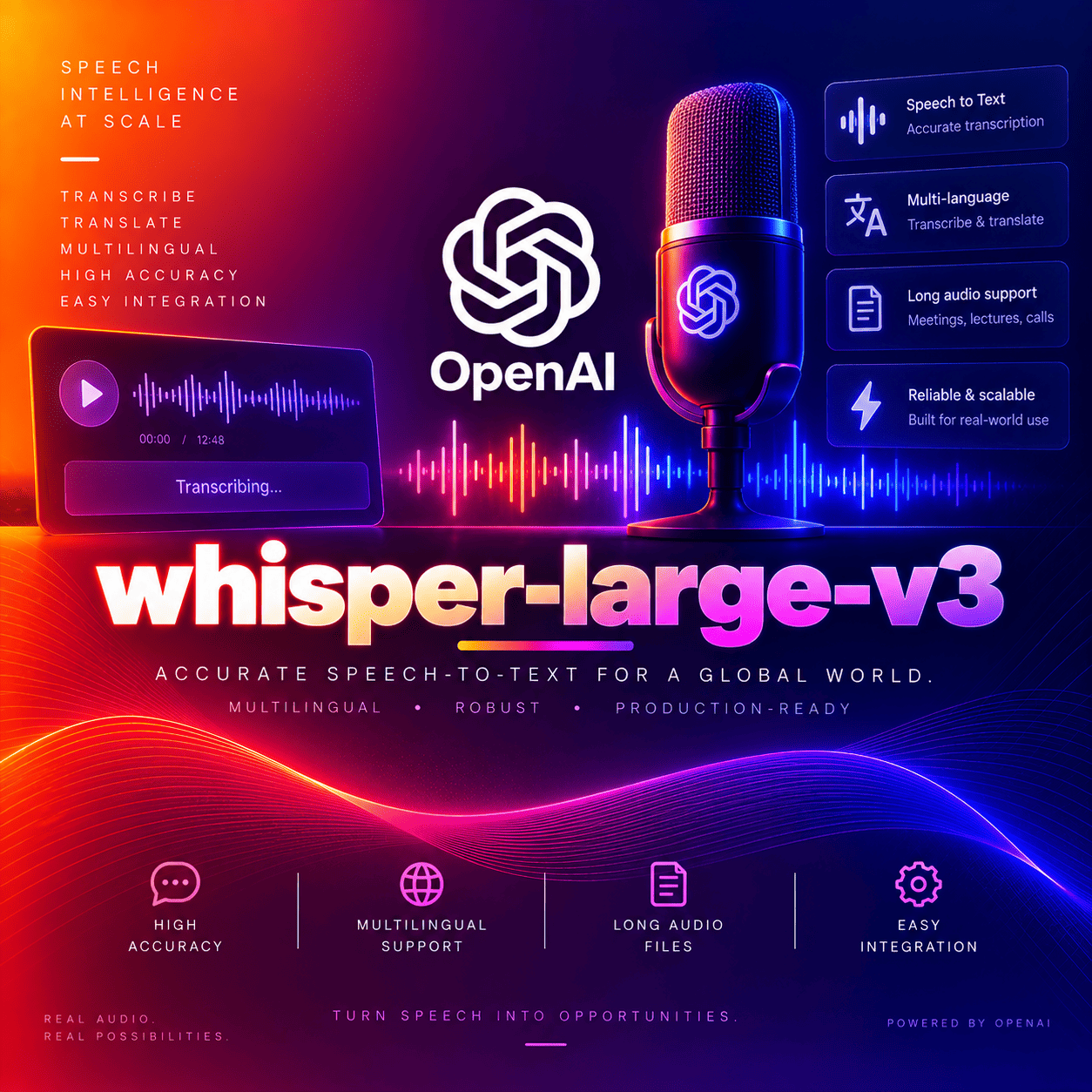
Whisper large-v3 is the accuracy benchmark for open speech recognition, and the reason is its training data rather than its size: five million hours of audio, most of it messy real-world recording rather than clean studio material. That makes it unusually resistant to the things that break other transcribers — background noise, accents, overlapping speakers, phone-quality audio. It handles 99 languages, detects the spoken language on its own, and returns per-sentence timestamps alongside the text. It can also translate any supported language directly into English text in a single pass. Released under Apache 2.0, it remains the default choice when transcription accuracy matters more than speed.
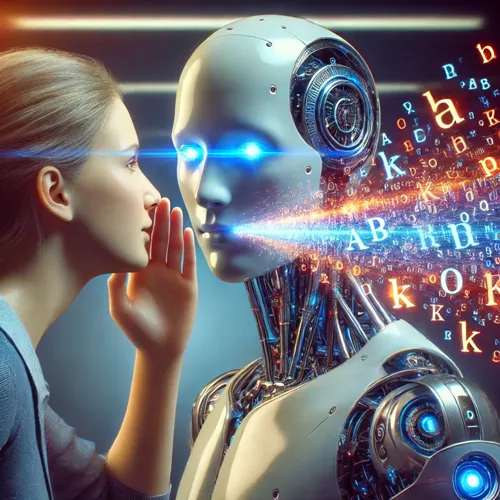
Whisper is a state-of-the-art model for automatic speech recognition (ASR) and speech translation, proposed in the paper "Robust Speech Recognition via Large-Scale Weak Supervision" by Alec Radford et al. from OpenAI. Trained on >5M hours of labeled data, Whisper demonstrates a strong ability to generalise to many datasets and domains in a zero-shot setting. Whisper large-v3-turbo is a finetuned version of a pruned Whisper large-v3. In other words, it's the exact same model, except that the number of decoding layers have reduced from 32 to 4. As a result, the model is way faster, at the expense of a minor quality degradation.

Mistral Nemo was built jointly by Mistral AI and NVIDIA as a drop-in replacement for Mistral 7B — same interface, thirty-two times the context, and a substantial capability gain with no code to change. Its 128k window comes from a rotary embedding theta of one million, a hundred times the conventional value, rather than from positional scaling applied afterwards. Grouped-query attention at four to one keeps the key-value cache small, and a 131,072-token vocabulary makes it efficient across the nine languages it was trained for. Apache 2.0, and supported across three inference frameworks including NVIDIA's own.
Mistral Small 3 is the model that established the line: 24 billion parameters, described by Mistral as knowledge-dense enough to fit on a single RTX 4090 or a 32GB MacBook once quantized. Its 32k context and text-only input mark it as the first generation — vision and the longer window came later. Two things distinguish it operationally: strong adherence to system prompts, which the model card treats as the primary control surface, and a published example system prompt that injects the current date and instructs the model to ask for clarification rather than answer an ambiguous question. Apache 2.0, ten languages.
Mistral Small 3.2 is a minor update that fixes three specific things, and the most valuable of them is measured: infinite generations — where a model repeats itself until it hits the token ceiling — were halved on long, repetitive prompts. Instruction following tightened, and the function-calling template was rebuilt to be more robust. Everything else matches or slightly improves on the release before it. It reads text and images across a 128,000-token window, covers twenty-four languages, and ships under Apache 2.0 with a recommended temperature of 0.15 — unusually low, and directly connected to the repetition fix.
gpt-oss-120b is OpenAI's largest open-weight model and the first release of its kind since 2019. It carries roughly 117 billion parameters and activates about five per token, which is what lets a model of this capability run on a single 80GB card rather than a cluster. Reasoning effort is set as plain text in the system prompt across three levels, and the full chain of thought comes back unredacted — OpenAI published the accuracy-versus-length curve across all three settings, so the cost of deliberation is measured rather than implied. It ships under Apache 2.0 with no copyleft, no patent conditions, and no user ceiling.

Claude Opus 4.8 answers directly unless asked to think — the opposite default from the generation that replaced it, and the reason some integrations still prefer it. A plain request returns text immediately, with no reasoning blocks ahead of the answer and no deliberation budget to account for. Adaptive thinking is available per request when a task needs it, and switching it off works at any effort level rather than only below a threshold. It carries a million-token context window with a 128,000-token output ceiling, reads text and images, and offers a fast mode that runs at roughly two and a half times normal speed through a research preview.
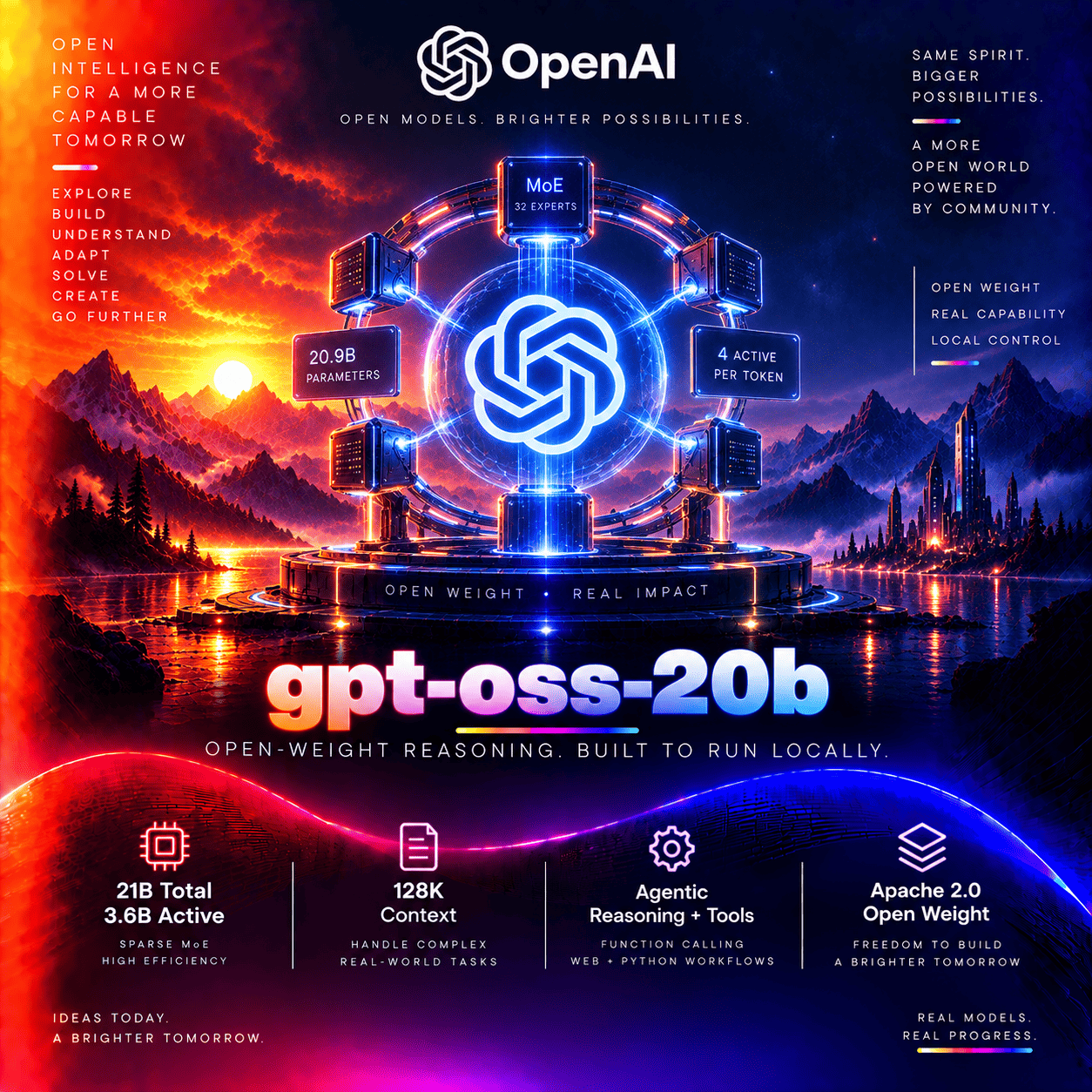
gpt-oss-20b is OpenAI's smaller open-weight reasoning model, and the one that fits on hardware you already own — 21 billion parameters with 3.6 billion active per token, loading in about 16 GB of memory. Reasoning effort is set in the system prompt as plain text rather than through a parameter, and the full chain of thought comes back unredacted, which makes debugging a model's mistakes possible in a way closed reasoning models do not allow. It ships under Apache 2.0 with no copyleft or patent conditions, is designed to be fine-tuned, and carries built-in support for browsing, Python execution, and function calling.

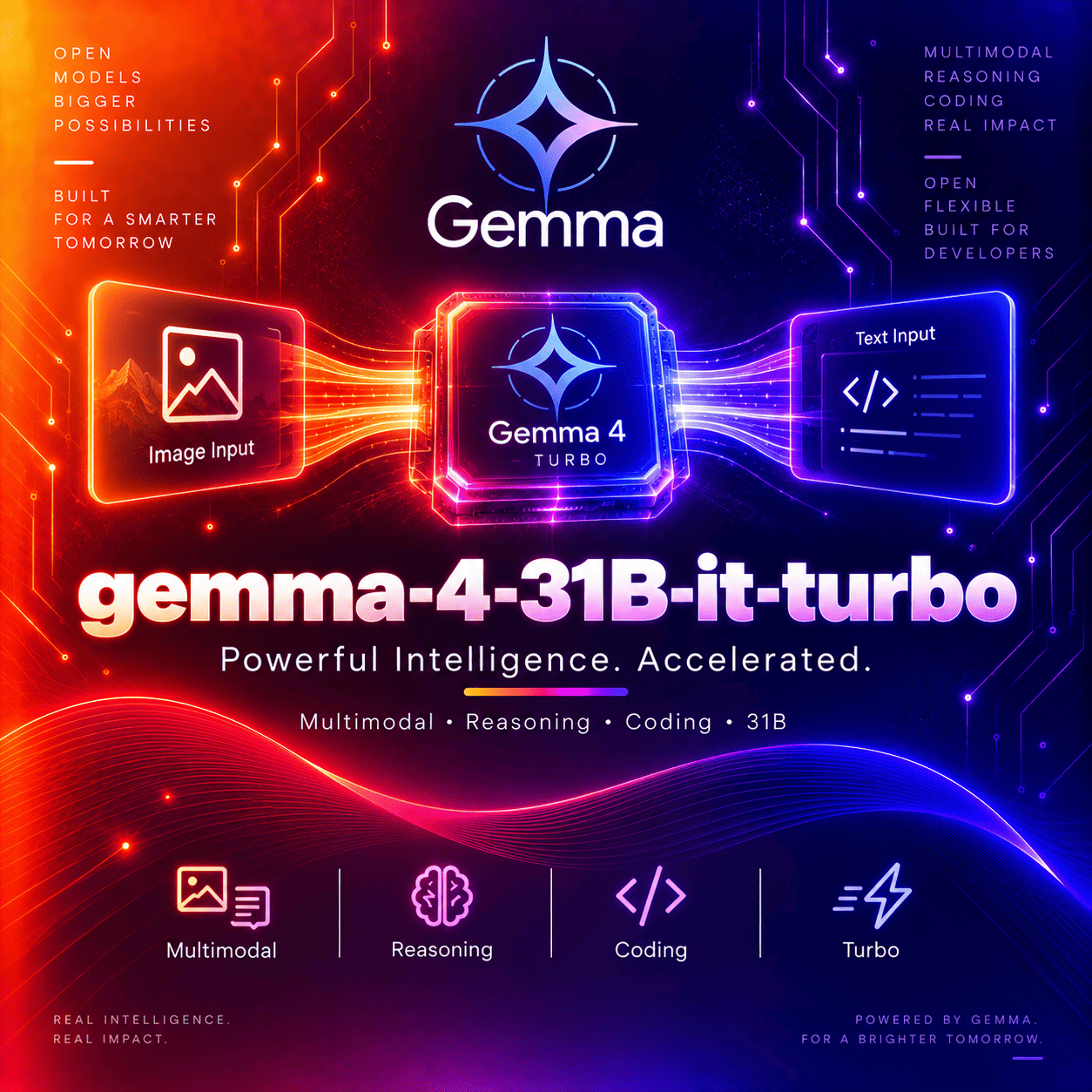
Gemma 4 31B is the largest dense model in Google DeepMind's open family, and it is built to read as much as it reasons. A 256,000-token context window takes entire codebases or large sets of images in one prompt, with a vision encoder that accepts variable aspect ratios rather than forcing everything into a square — which is why it handles UI screenshots, charts, and handwriting recognition rather than approximating them. Thinking is configurable rather than fixed, function calling is native, and the model was pre-trained on more than 140 languages with 35 supported out of the box. Apache 2.0, and it fits on a workstation.

The llama-nemotron-rerank-vl-1b-v2 is a 1.7B parameter multimodal reranking model designed to evaluate and order the relevance of document images and text against specific user queries. It excels at understanding complex visual content like charts, tables, and infographics.

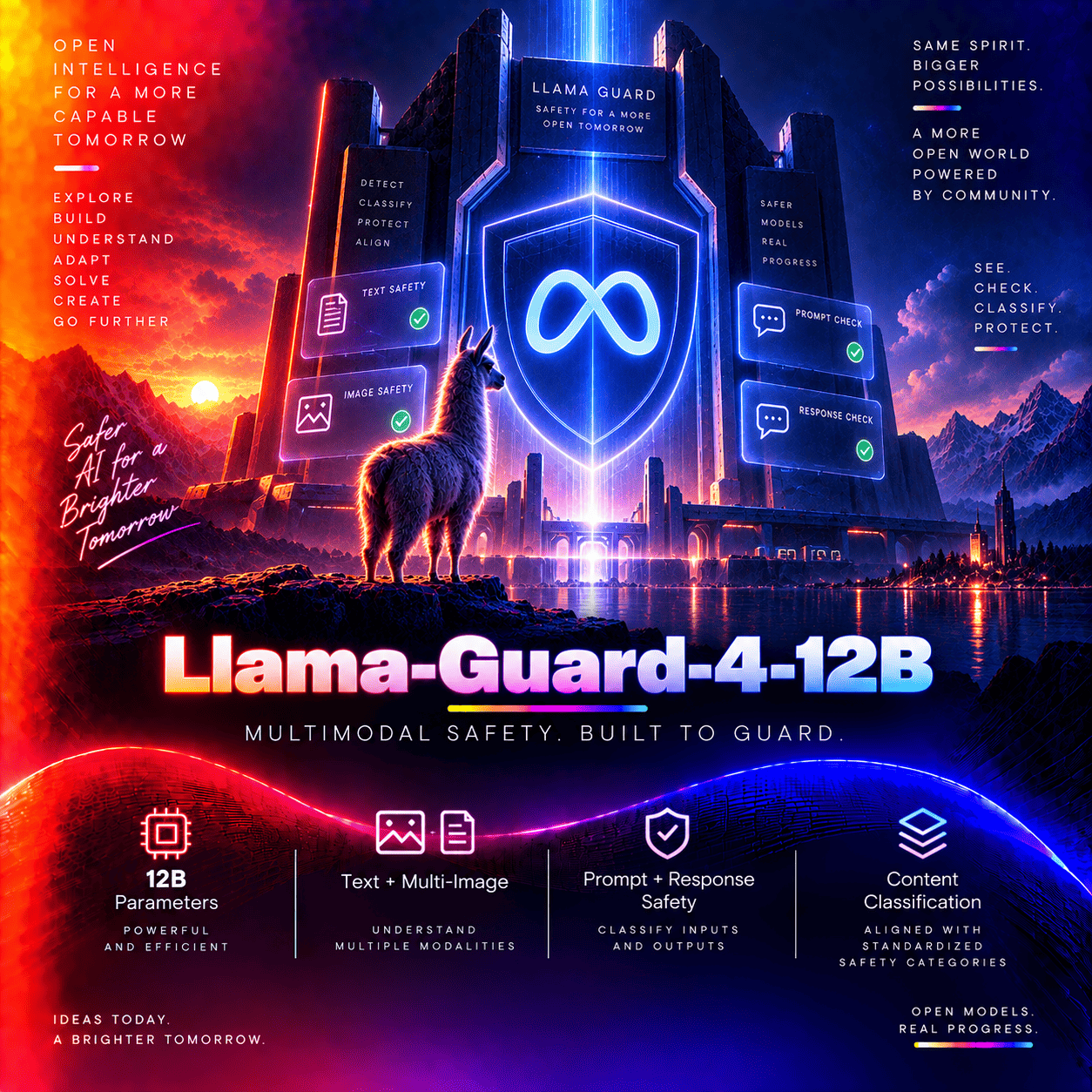
Llama Guard 4 is a safety classifier that happens to be a language model. Give it a prompt or a response — text, images, or both — and it answers in two lines: safe or unsafe, and if unsafe, which categories were violated. Nothing else. It was built by pruning Llama 4 Scout's mixture-of-experts architecture down to its shared expert alone, producing a dense twelve-billion-parameter model with no additional pre-training. It replaces two earlier models, one for text and one for vision, with a single classifier aligned to the MLCommons hazard taxonomy — and it runs on one 24 GB card.
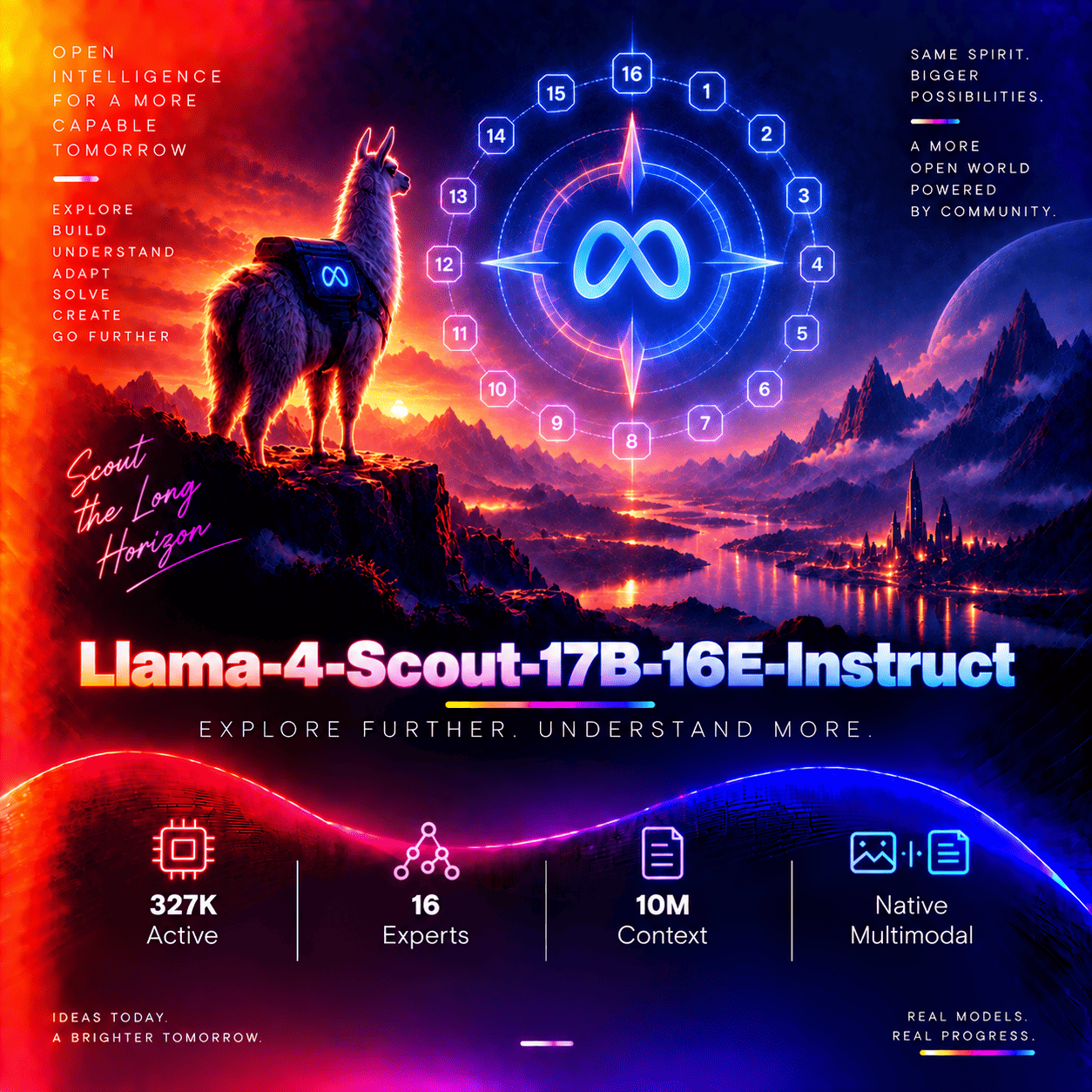
Llama 4 Scout activates the same seventeen billion parameters as its larger sibling from sixteen experts rather than a hundred and twenty-eight — and that difference reverses where you would expect. Lighter weights leave more memory for context, so Scout reaches a full million tokens on eight H100s where the larger model stops around 430,000, and a documented configuration pushes it past three and a half million. Its long-context design removes positional encoding from the global attention layers entirely, eliminating the distance decay that normally caps reach. Native multimodality through early fusion, twelve languages, and it fits on a single H100 quantised.
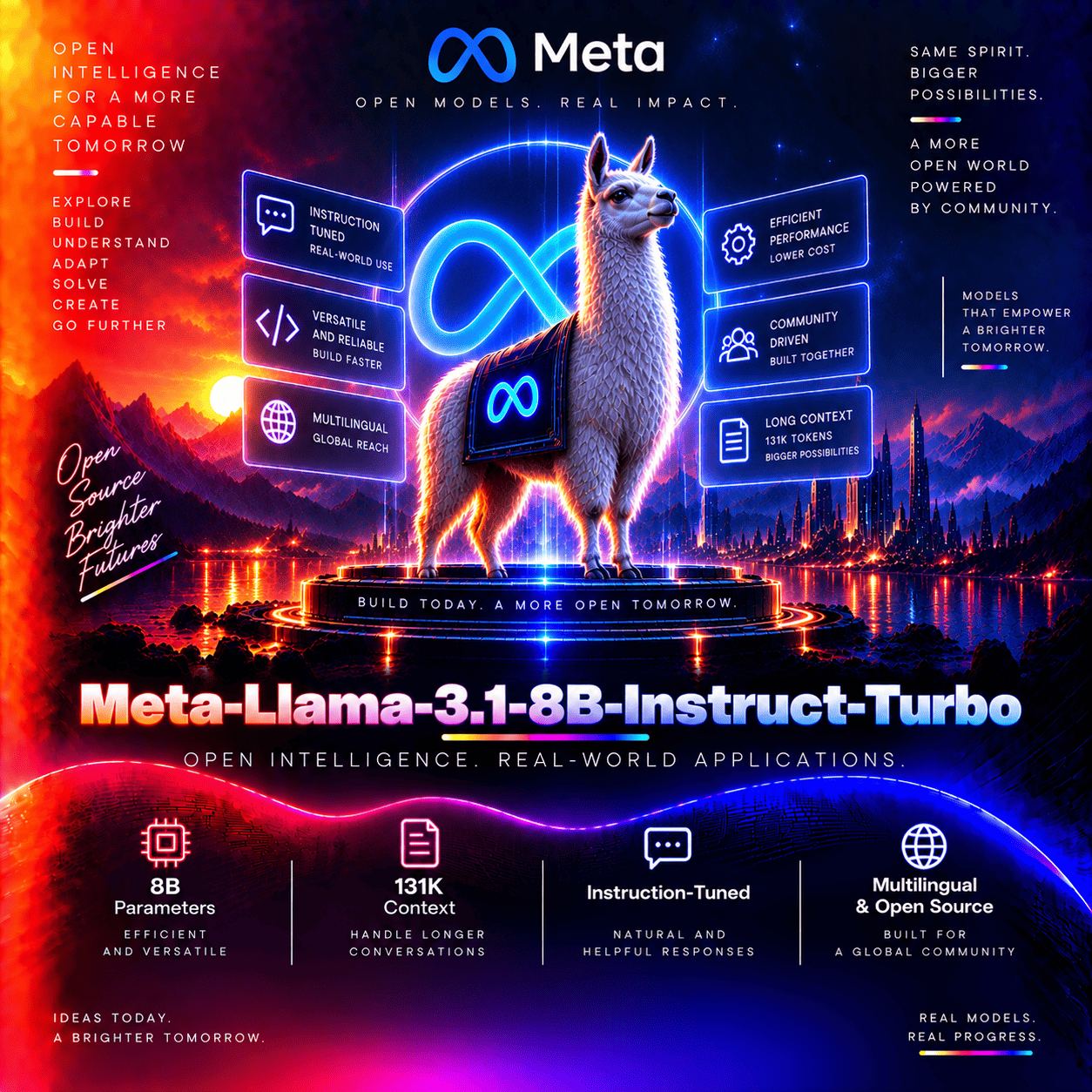
Llama 3.1 8B carries the same 131,072-token window as the seventy-billion-parameter model released beside it — Meta extended the context across every size at once rather than reserving it for the large ones. Eight billion parameters with a very long window is an unusual combination, and it is what made this model the default foundation for open fine-tunes: small enough to train on accessible hardware, long enough to be useful. Meta's own Llama Guard 3 safety classifier is built on these weights. Eight supported languages, and a knowledge cutoff of December 2023.

Gemini 2.5 Pro is Google's frontier-level multimodal model, engineered for highly complex reasoning, advanced coding, and massive-scale data analysis. Featuring an unprecedented 2M context window and hybrid thinking capabilities, it excels at solving the most demanding enterprise and scientific tasks.
Gemini 2.5 Flash is Google's latest thinking model, designed to tackle increasingly complex problems. It's capable of reasoning through their thoughts before responding, resulting in enhanced performance and improved accuracy. Gemini 2.5 Flash: best for balancing reasoning and speed.
Claude Haiku 4.5 is the fastest model in the Claude family and the first Haiku to support extended thinking. It reaches near-frontier quality at a fraction of the latency, which is what makes it the right engine for work measured in volume rather than difficulty — classification, extraction, routing, and the mechanical steps inside a larger agent. Its reasoning control is manual rather than automatic: you set an explicit token budget for thinking, on the requests that warrant one, and leave it off everywhere else. It reads text and images across a 200,000-token context window, tracks its own token consumption as that window fills, and returns up to 64,000 tokens per response.
Claude Sonnet 4.6 is the generation where the Sonnet line reached a million-token context window and started keeping its reasoning across turns rather than discarding it. Both changes matter in practice: the window holds a codebase or a document set whole, and preserved thinking makes long multi-turn sessions consistent instead of rebuilding their analysis from nothing each time. It supports adaptive thinking with five effort levels and remains strong with thinking switched off entirely, which is unusual — most reasoning models degrade sharply without it. Context compaction summarises older turns automatically as a conversation approaches its limit, extending how far a session can run.
Claude Opus 4.7 is the first Claude model to accept high-resolution images, raising the ceiling to 2576 pixels and 3.75 megapixels from a previous limit under a third that size. The practical effect goes beyond sharper reading: the model's coordinates now map one to one with actual pixels, so pointing at something in a screenshot no longer requires a scale-factor conversion. That makes it markedly better at computer use, document understanding, and any workflow where it must visually check its own output — redlining a document, editing slide layouts, transcribing figures from a chart. It carries a million-token context window with adaptive thinking and a 128,000-token output ceiling.


