Model Library
Browse and deploy state-of-the-art AI models through the DEVUP Gateway.
Loading models...
Model Library
Browse and deploy state-of-the-art AI models through the DEVUP Gateway.
Browse and deploy state-of-the-art AI models through the DEVUP Gateway.
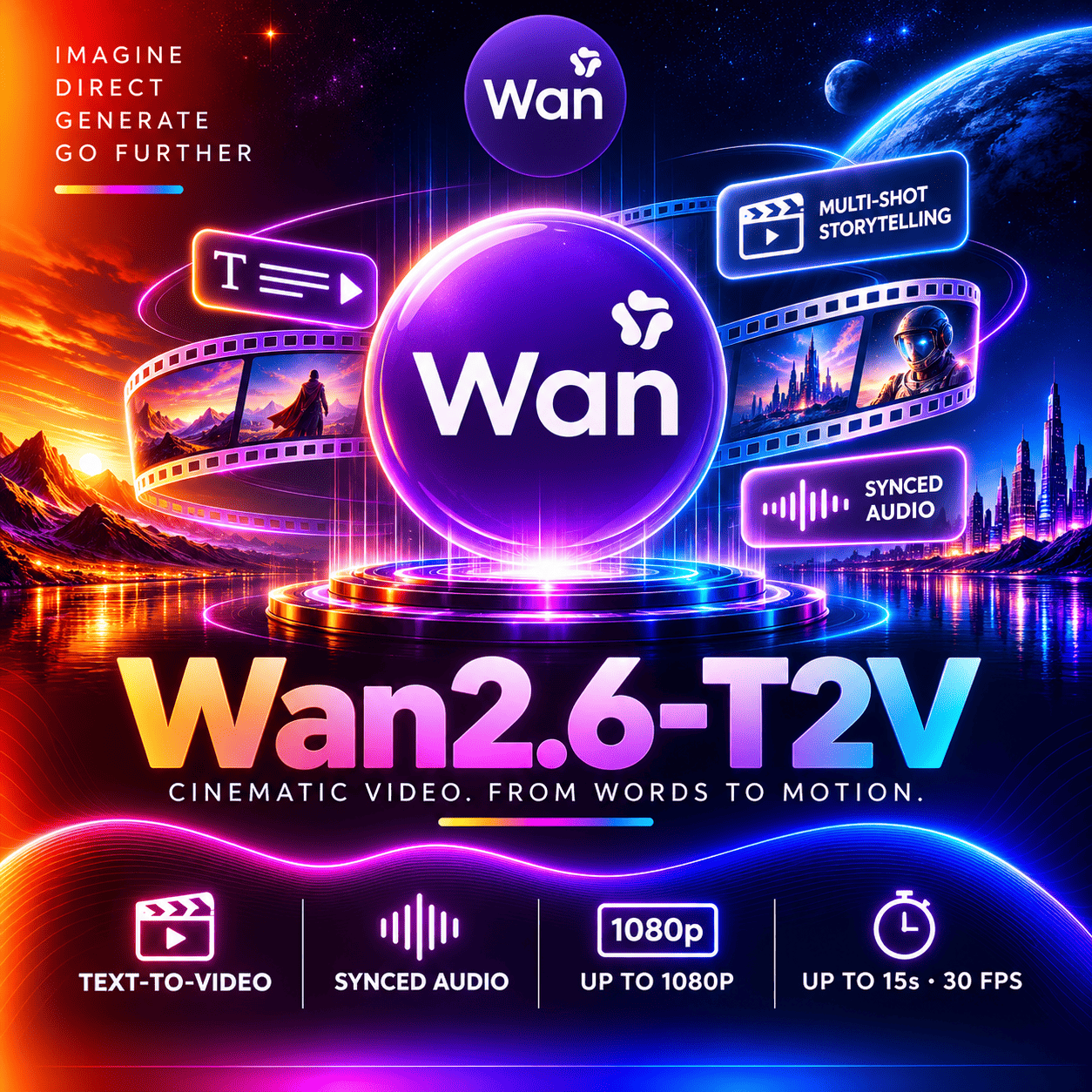
Alibaba's Wan 2.6 text-to-video model: cinematic clips of 2 to 15 seconds in 720p or 1080p, in five aspect ratios from vertical 9:16 to widescreen 16:9, with a soundtrack generated to match the scene. Negative prompts and seeds give you control; prompt extension turns a one-line idea into a complete shot.
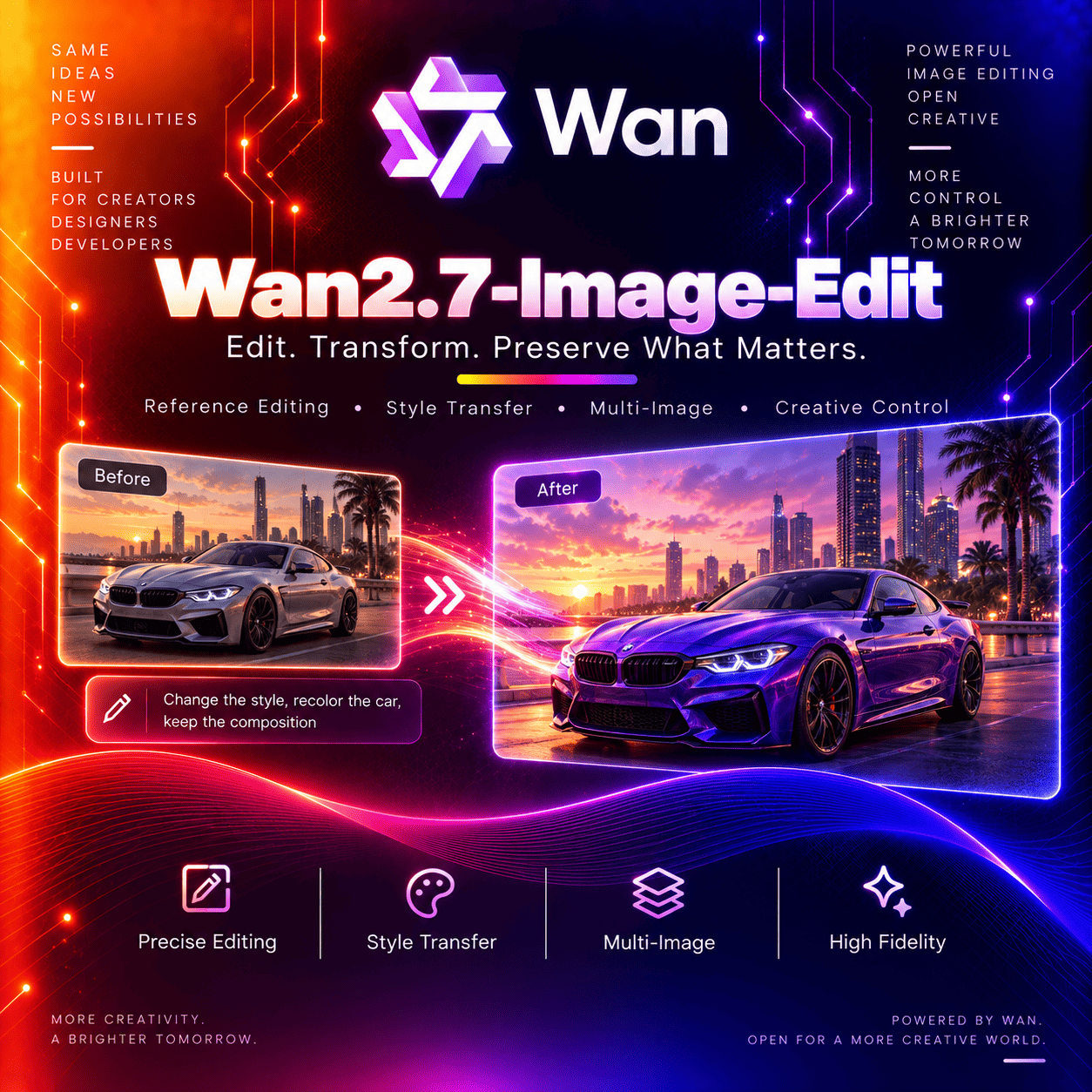
Wan2.7-Image-Edit is the image-editing model of Alibaba's Wan 2.7 line: edits from plain instructions on up to 9 reference images with consistent people and products, outputs up to about 4 megapixels at any aspect ratio from 1:8 to 8:1, up to 4 results per request.
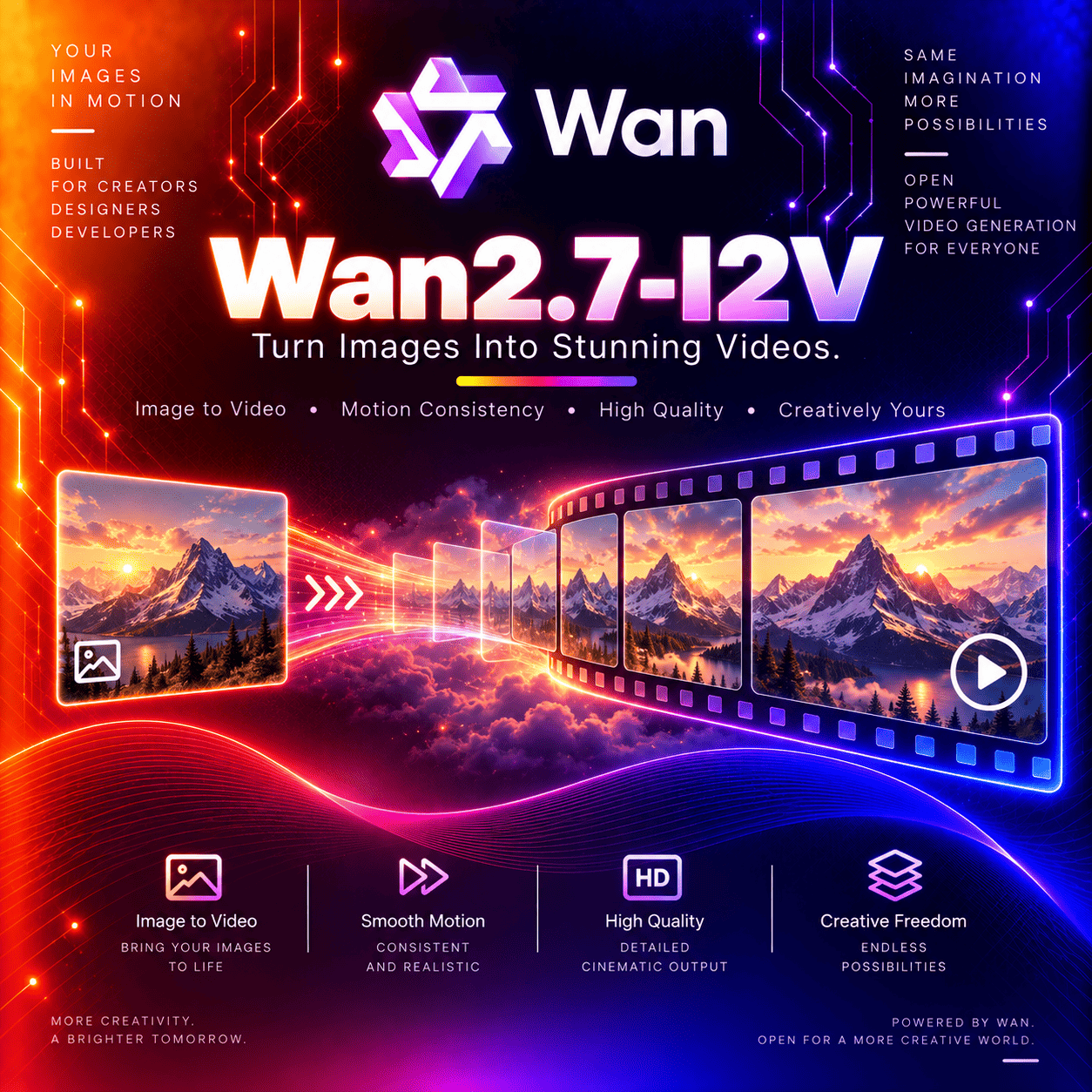
Wan 2.7 I2V turns one task into three: animate a first frame, interpolate between a first and last frame, or continue an existing clip. It also accepts a driving audio track — supply a recording and the model synchronises lip movement and action timing to it, which is how a still portrait ends up performing a song rather than mouthing approximately. Without audio it generates its own music and effects. Output runs from two to fifteen seconds at 720p or 1080p, with the aspect ratio following whatever you sent in, and a seed parameter for repeatability that the generation before it did not offer.

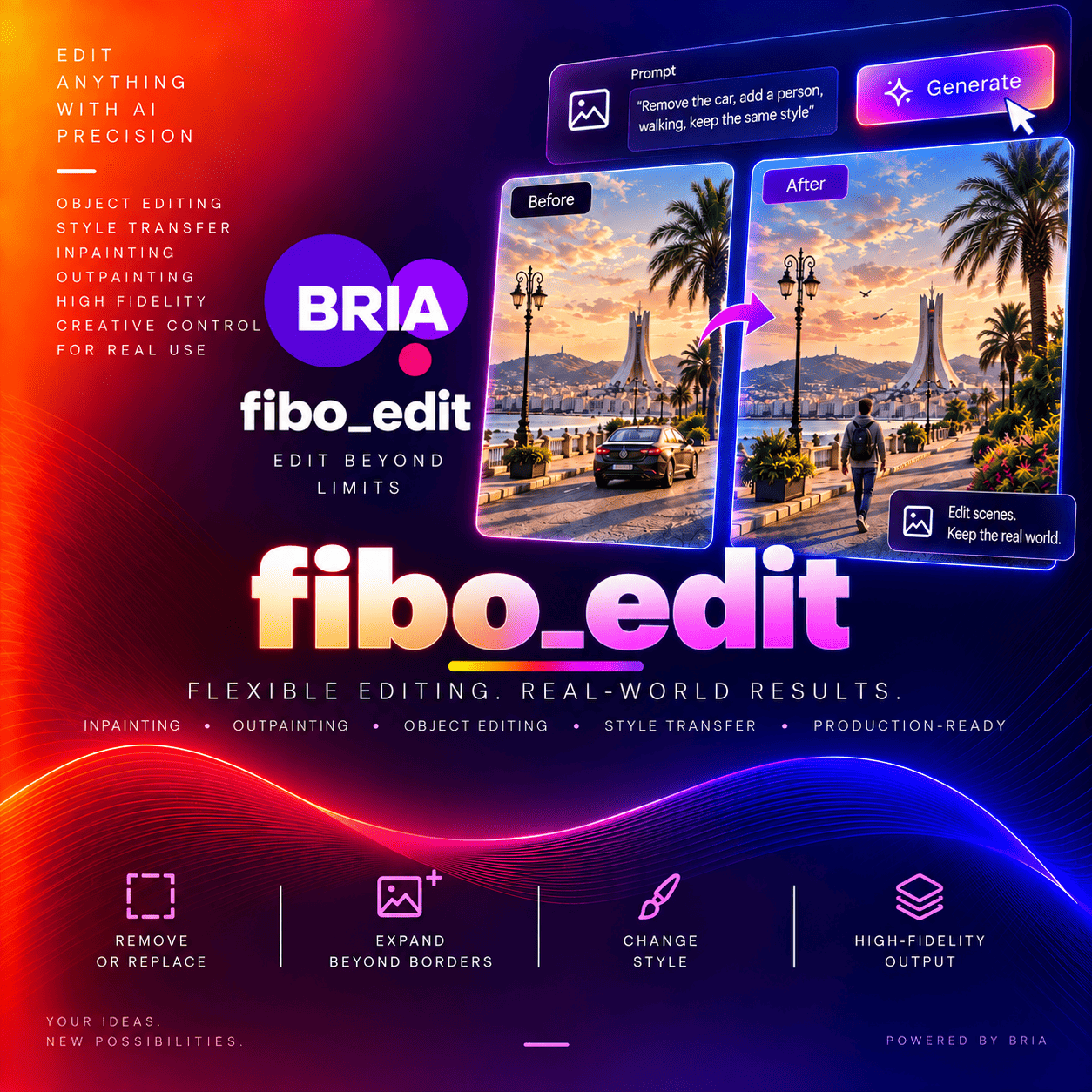
FIBO Edit is Bria AI's 8 billion parameter image editing model built on FIBO: controllable, repeatable edits from a structured understanding of the image, native mask support, and training on licensed data only.
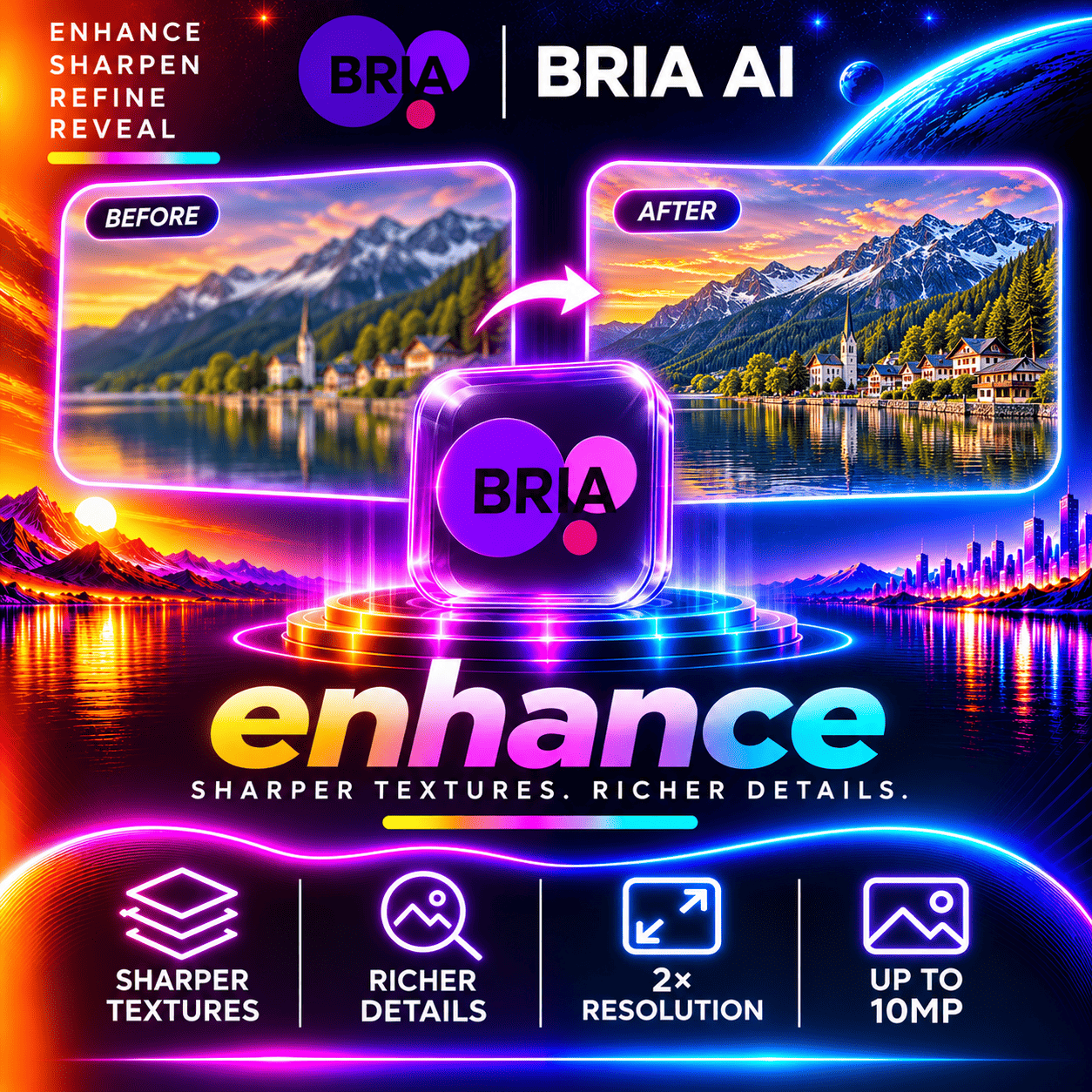
Bria Enhance regenerates a photo with sharper textures, richer details, balanced colors and more clarity, at 1, 2 or 4 megapixels. Trained on licensed data only, for commercial use.
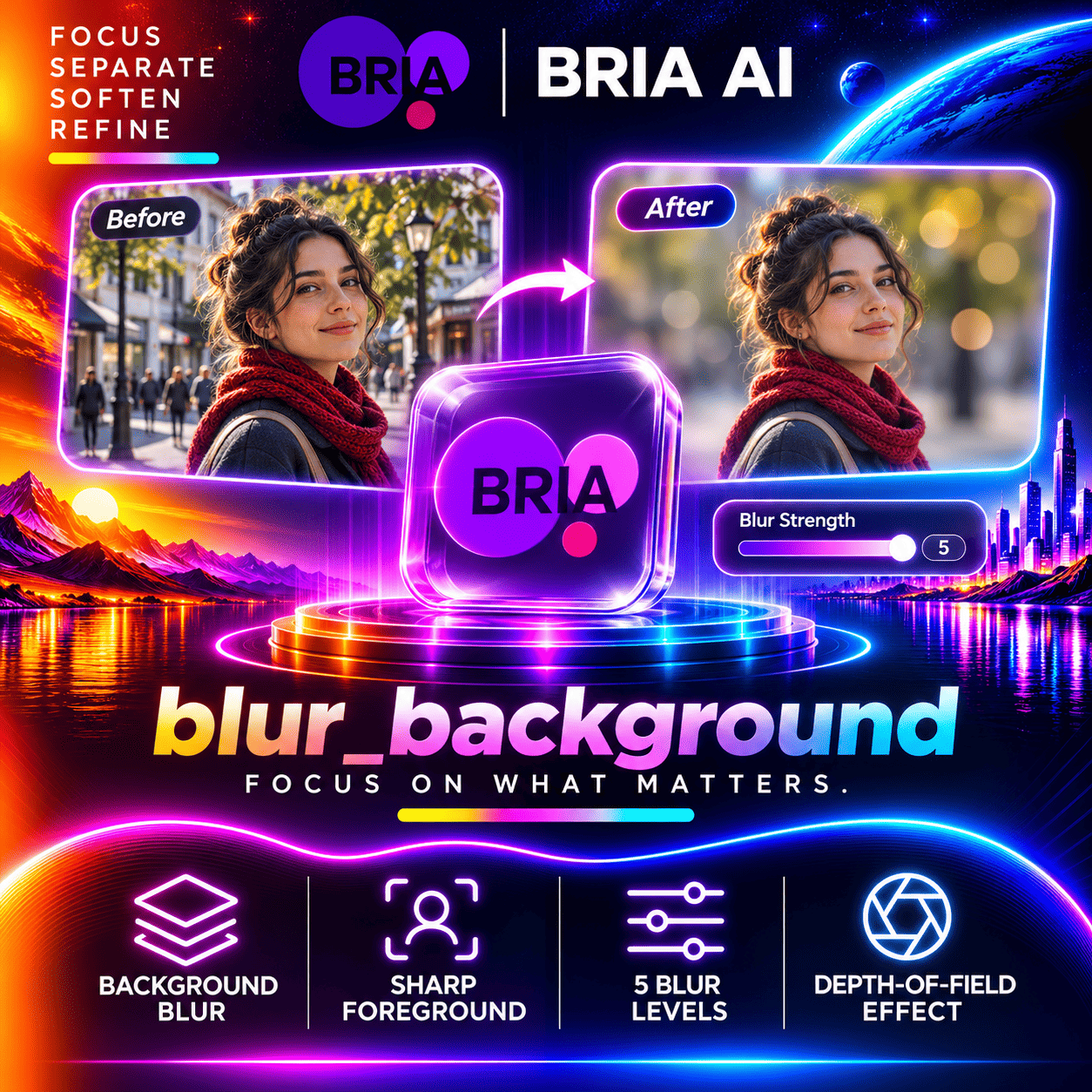
Bria Blur Background blurs the background of a photo and keeps the subject sharp, with five blur strengths and optional transparency preservation, trained on licensed data only.
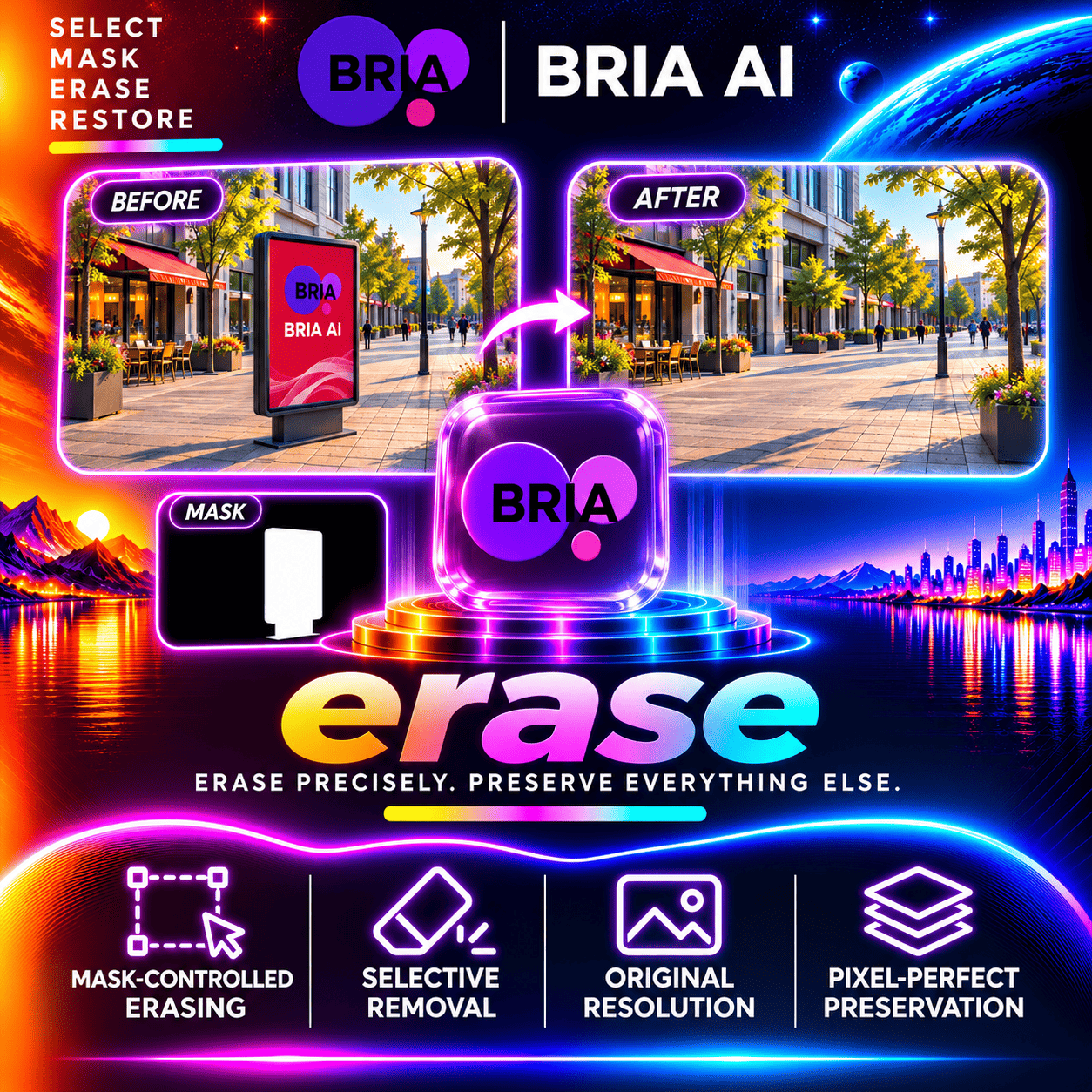
Bria Eraser removes exactly the area you mark from a photo, such as a passer-by, a cable, a tag or a stain, and fills it so it matches its surroundings. You choose what disappears with a simple black-and-white mask, drawn by hand or made by a segmentation tool, and no prompt is needed. Trained on licensed data only, for commercial use.
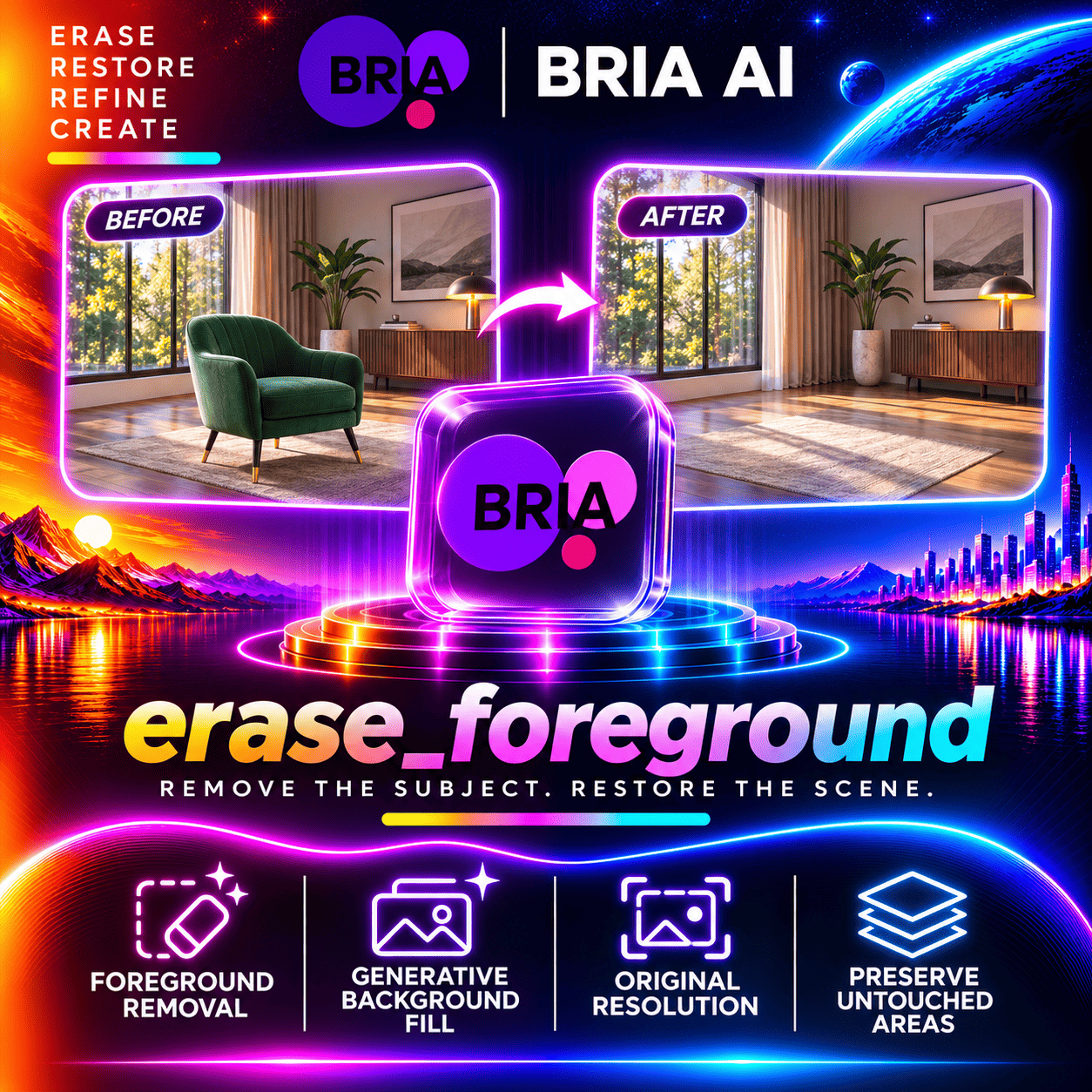
Bria Erase Foreground removes the main subject of a photo and rebuilds the background where it stood, keeping the rest of the image untouched at full resolution. Trained on licensed data only.
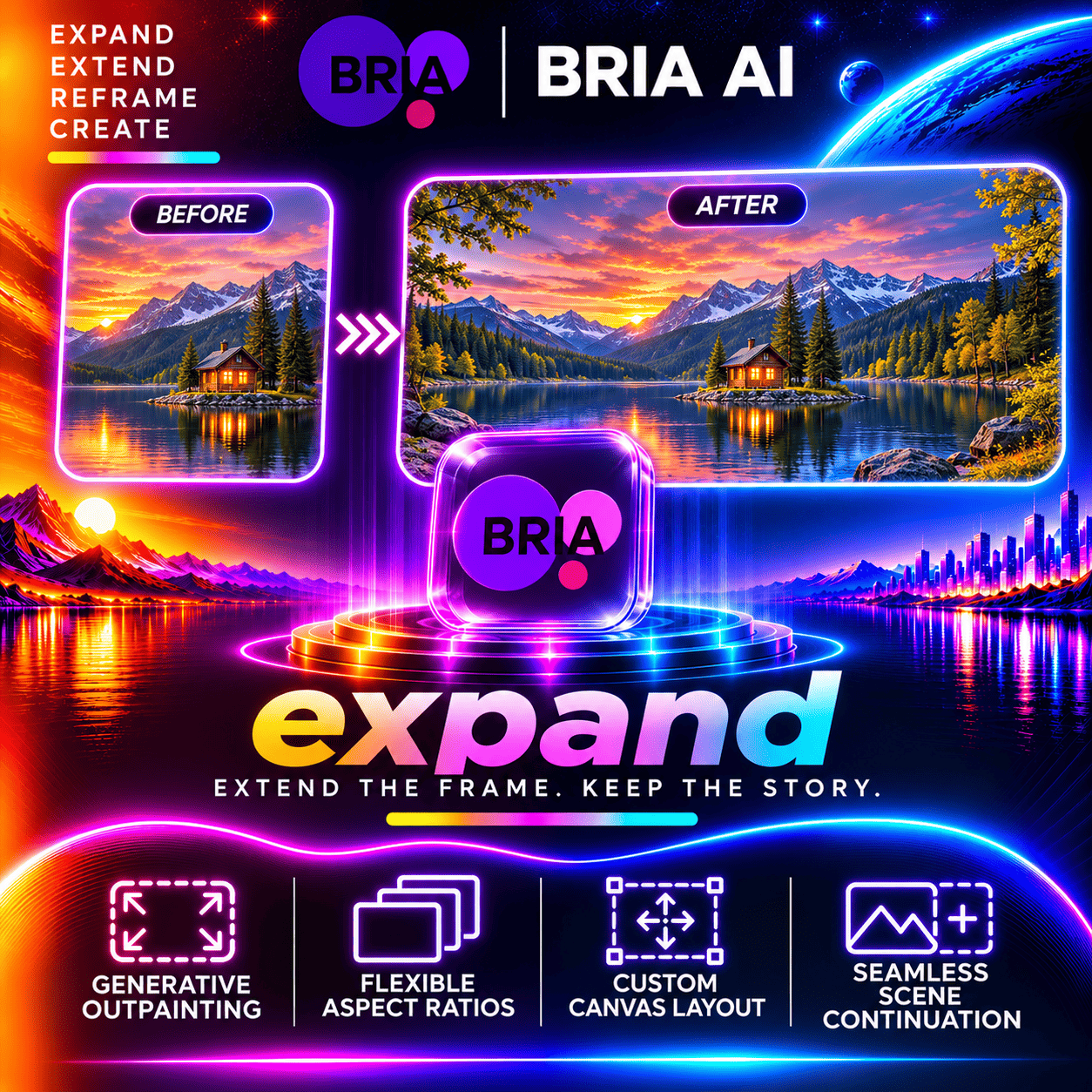
Bria Expand extends a photo beyond its borders: pick one of nine aspect ratios and it keeps your image in the center while generating new, matching content around it, so a square shot becomes a wide banner or a tall story without cropping. An optional English prompt guides the new area. Trained on licensed data only, for commercial use.
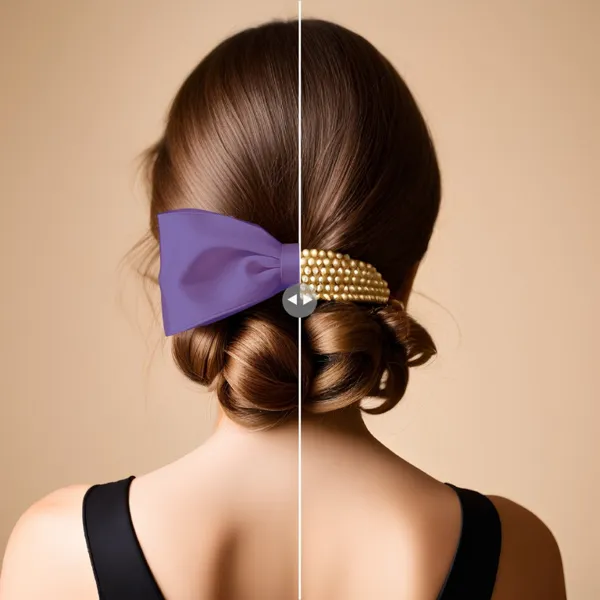
Bria GenFill enables high-quality object addition or visual transformation. Trained exclusively on licensed data for safe and risk-free commercial use.
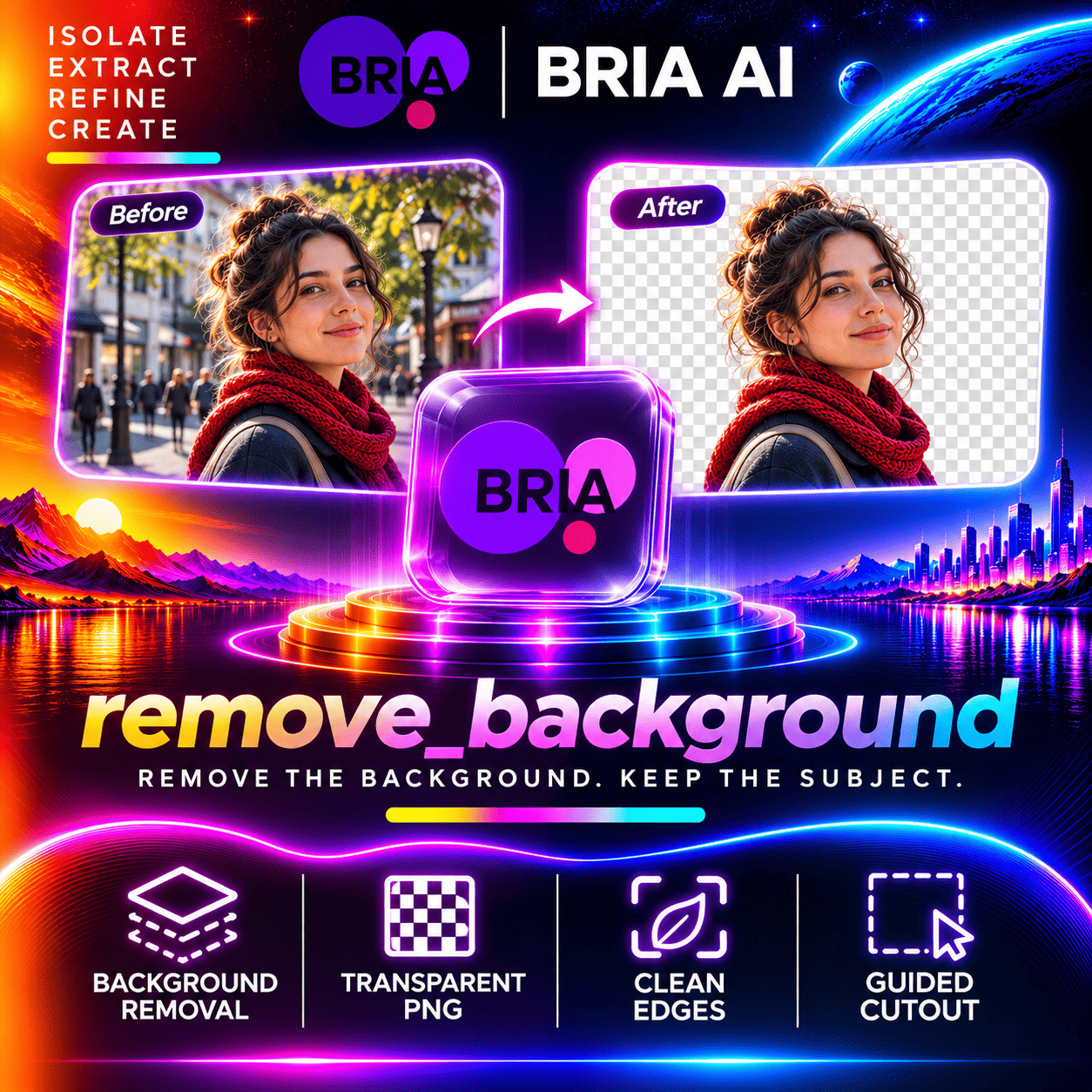
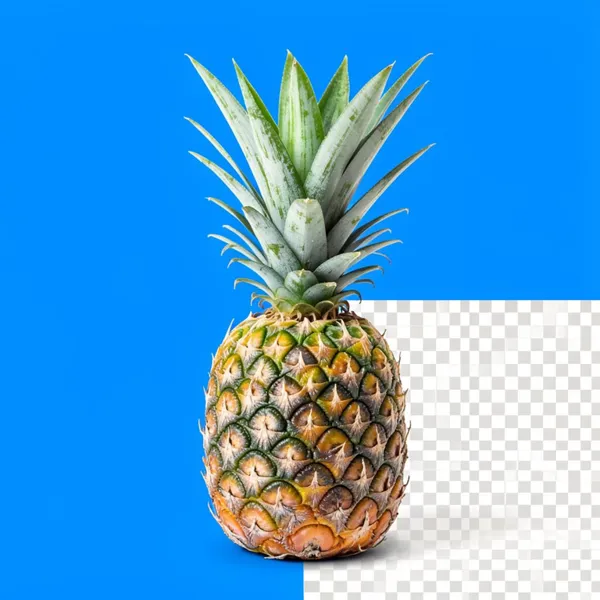
Bria Remove Background cuts the subject out of a photo onto a transparent background with soft, natural edges. It runs RMBG 2.0, built on BiRefNet and trained on licensed data only.
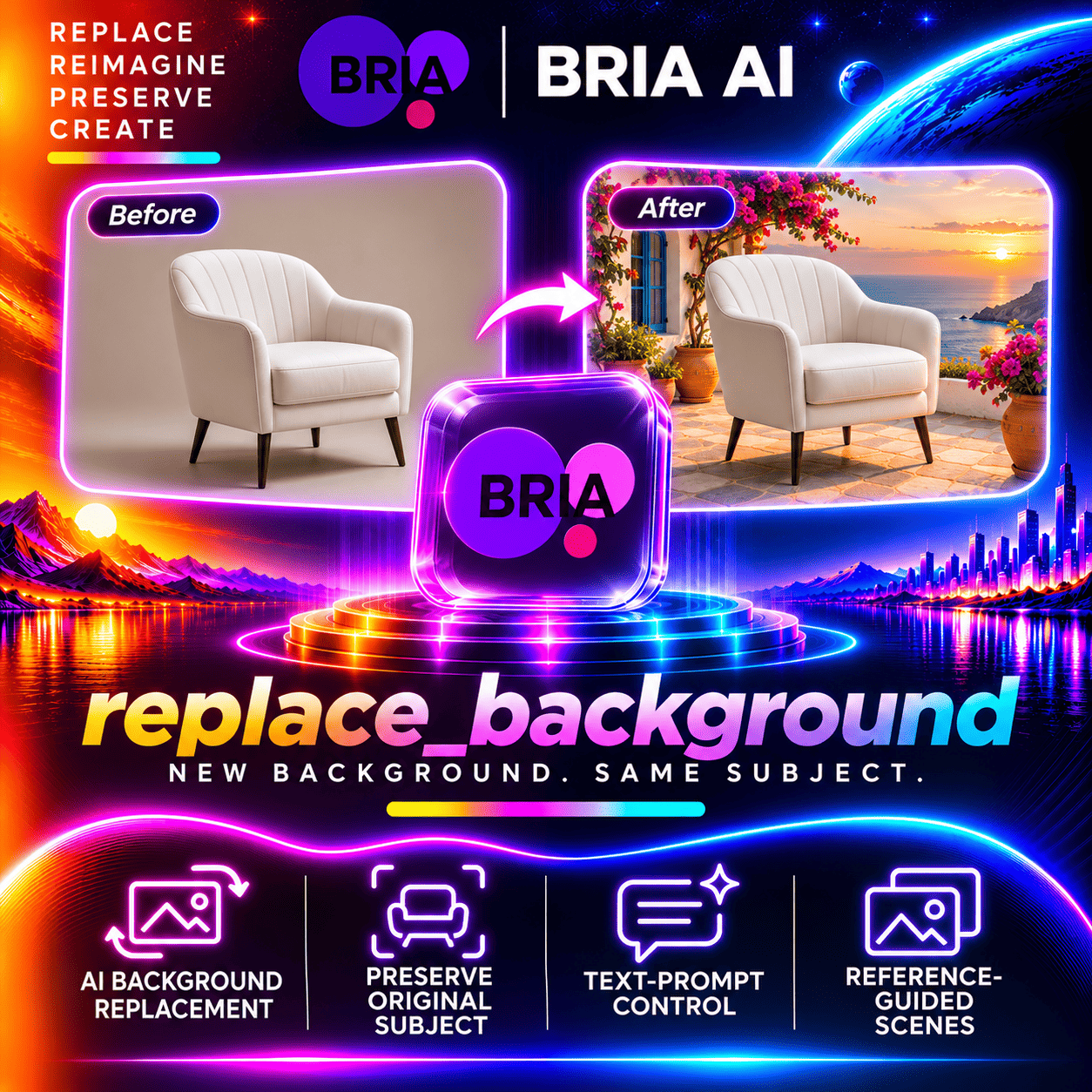
Bria Replace Background keeps the subject of your photo as it is and places it in a new scene. Describe the new background in a short English prompt, use a hex color for a clean studio backdrop, or send a reference image whose look the new scene should follow. Built for product and lifestyle photos, and trained on licensed data only, for commercial use.
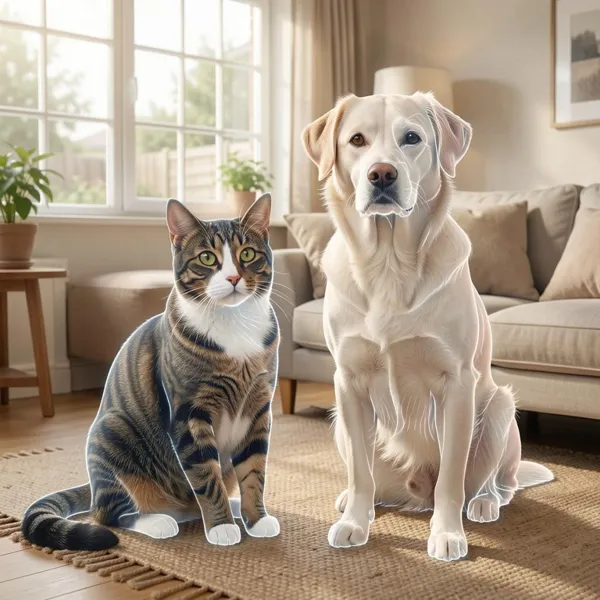
Automatically identify and segment foreground objects across video frames and generate a mask. No prompts, just a video.
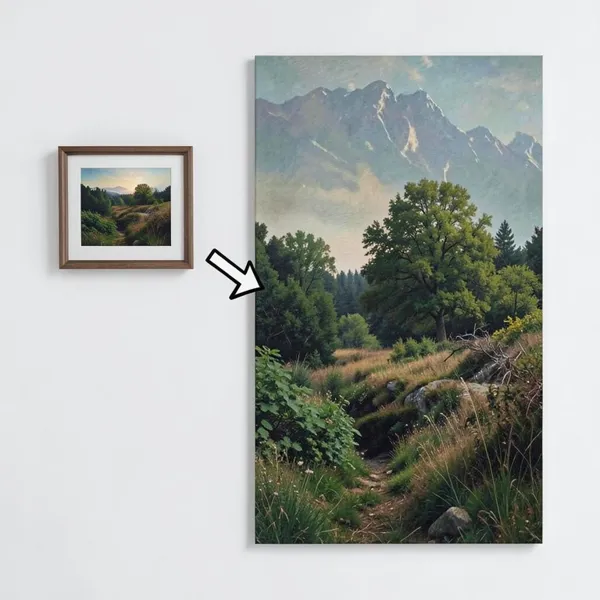
Increase video resolution up to 8K with advanced AI upscaling. Bring your videos to the big screen, ready for the screens of tomorrow.
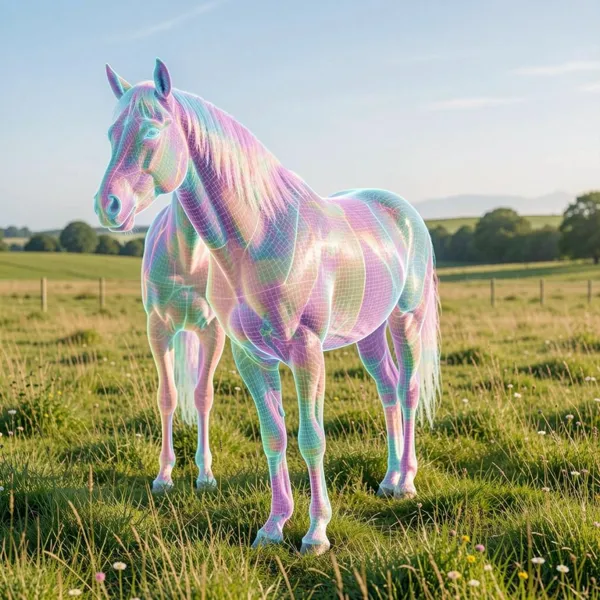
Identify and segment objects across video frames using specific coordinate points. Just point in the right direction and the model will figure out by itself which object should be masked.
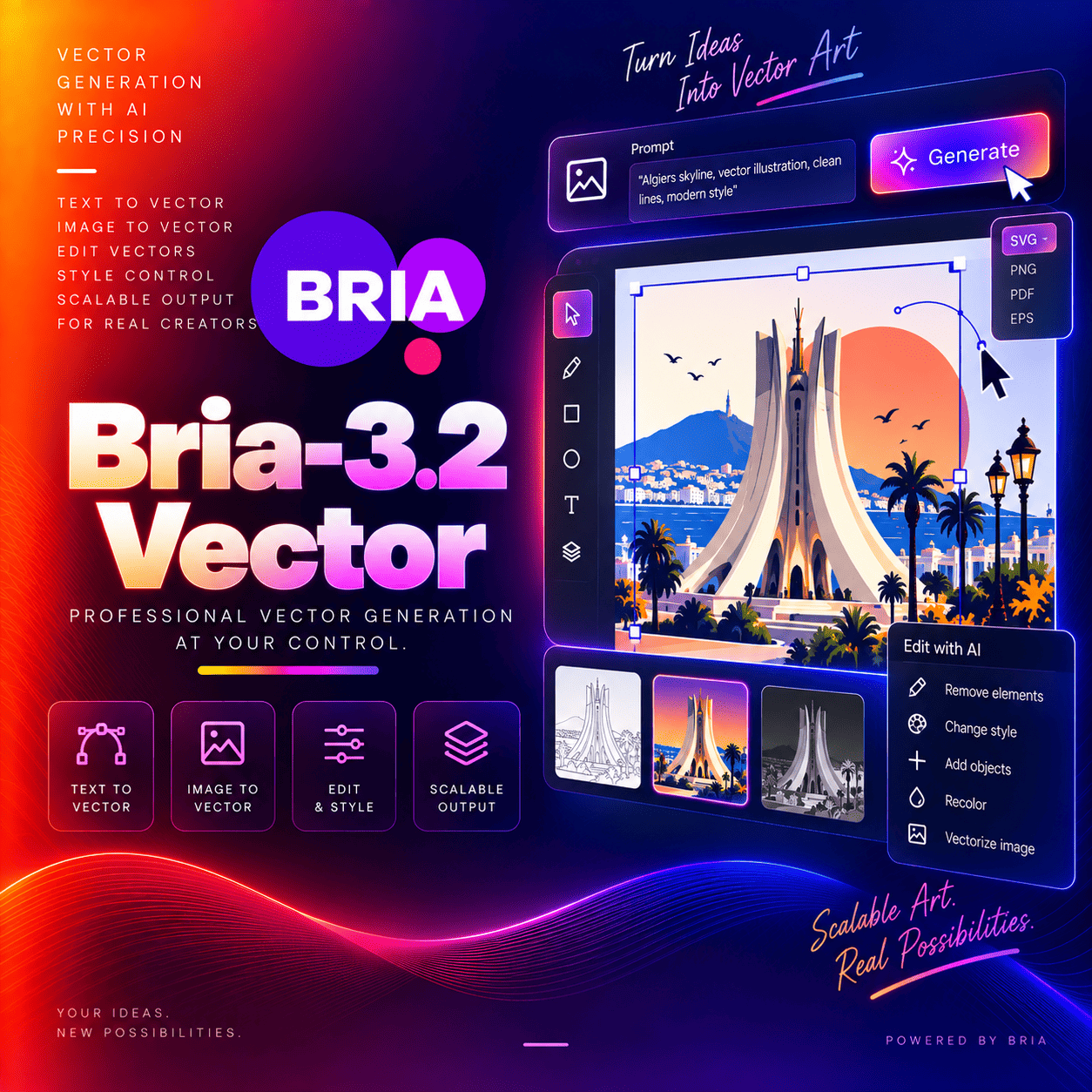
Bria 3.2 Vector is the vector variant of Bria AI's commercial-ready Bria 3.2, trained entirely on licensed data: logos, icons, flat illustrations and interface graphics as editable vector assets, nine aspect ratios, up to 4 per request.
Light and fast. Remove the background of your videos to bring the foreground elements to focus. No more unwanted distractions.
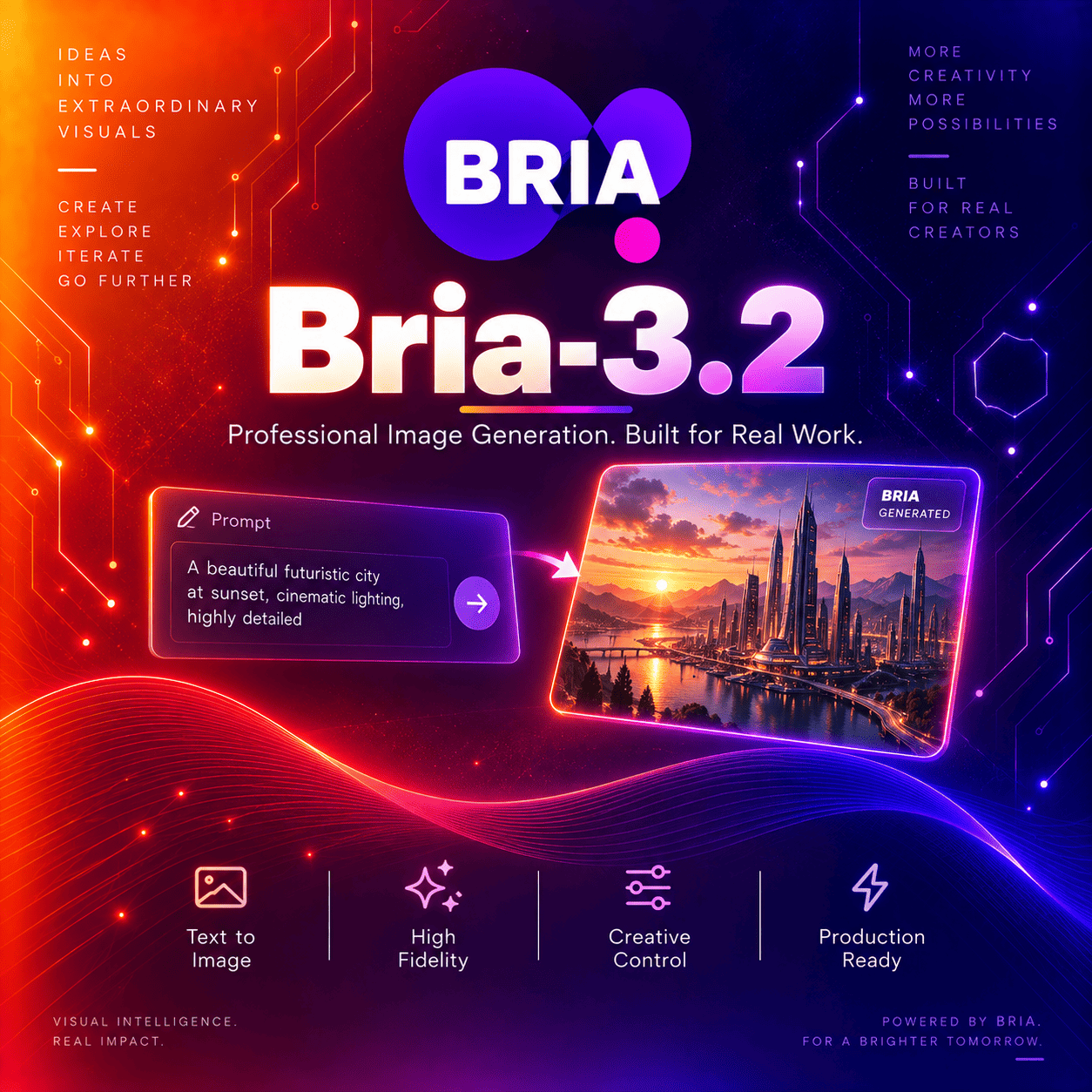
Bria 3.2 is Bria AI's commercial-ready text-to-image model, trained entirely on licensed data: a 4 billion parameter rectified flow transformer with strong short-text rendering, nine aspect ratios at about 1 megapixel, up to 4 images per request.

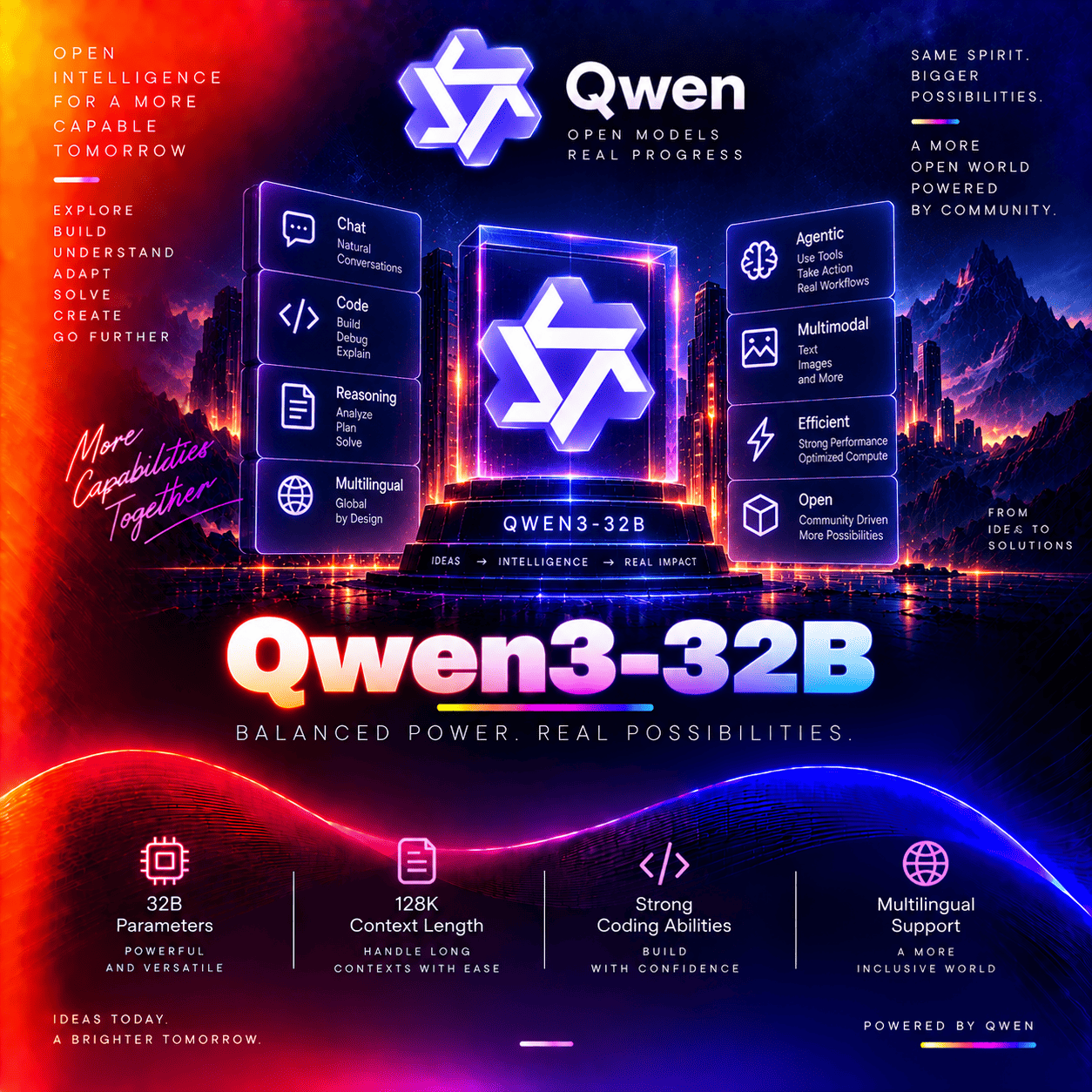
Qwen3-32B is the largest dense model in its generation, and the deliberate counterpart to a sparse sibling of almost identical total size. Where that model activates three billion parameters per token, this one activates all 32.8 billion — every layer, every weight, every time. Sixty-four layers with sixty-four query heads against eight key-value heads, and the same two-mode design as the rest of the family: reasoning and direct answering, switchable by writing a tag into the conversation. Tool calling is documented on both sides, which makes a two-speed agent a real option rather than a compromise.
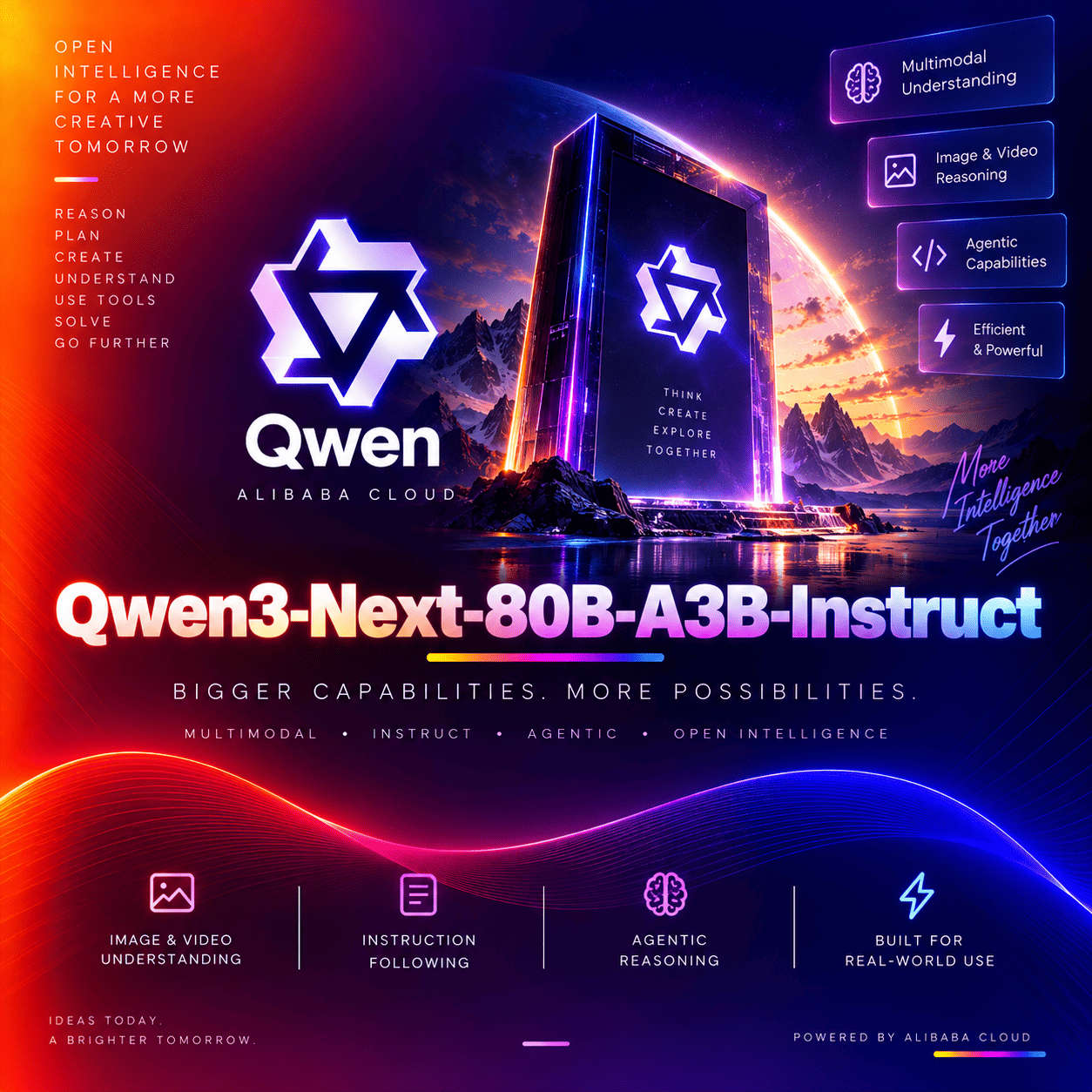
Qwen3-Next-80B-A3B-Instruct activates three billion parameters out of eighty — under four percent, with ten experts selected from five hundred and twelve. The efficiency claim behind that ratio is measured rather than asserted: the base model outperforms a 32-billion-parameter dense predecessor at ten percent of the training cost and ten times the inference throughput on long context. Its layer layout interleaves three linear-attention blocks with one full-attention block, twelve times over, so only twelve of forty-eight layers pay quadratic cost. Native context is 262,144 tokens, extensible past a million.
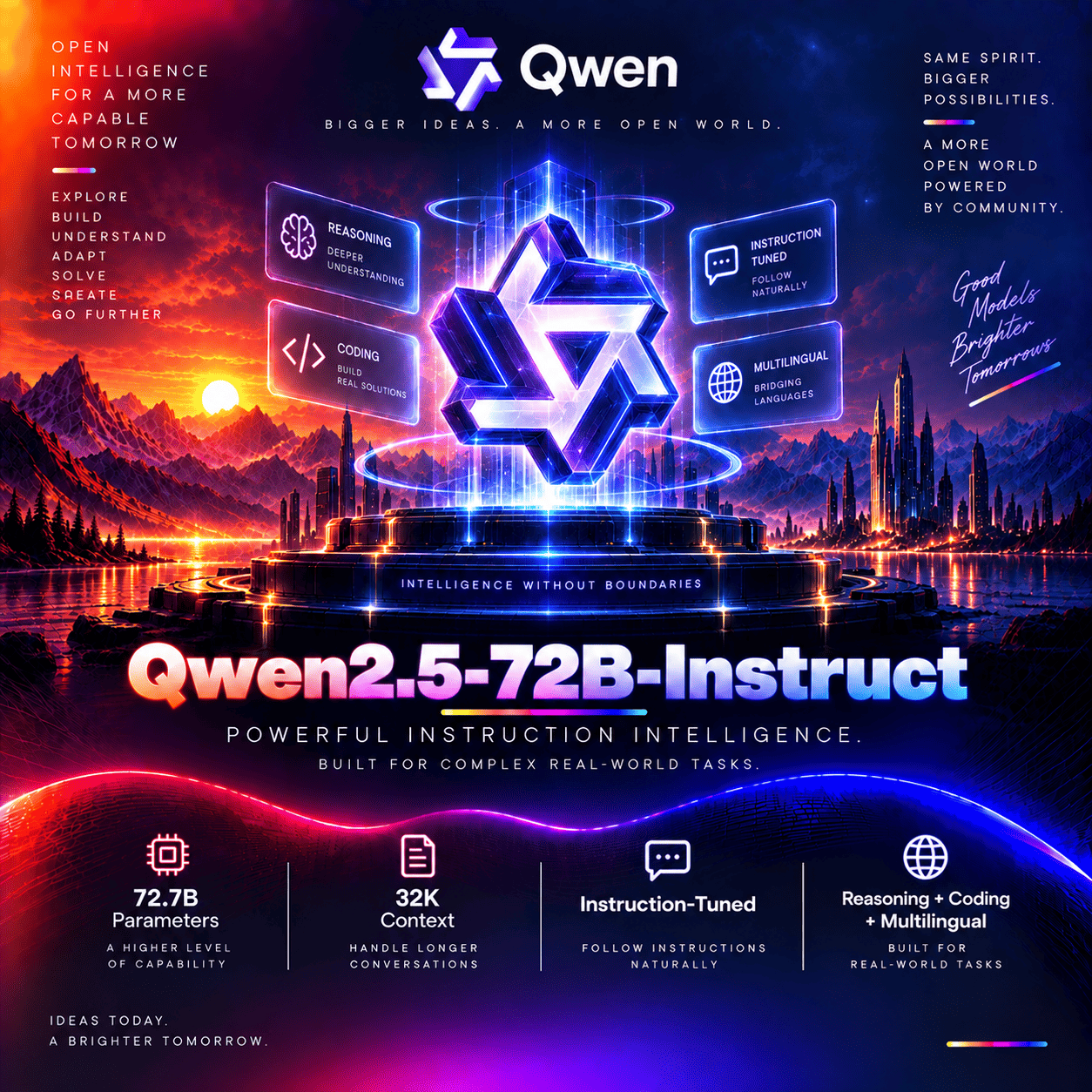
Qwen2.5-72B-Instruct was pre-trained on eighteen trillion tokens, and its improvements in coding and mathematics came from a specific source Qwen name outright: specialised expert models in those domains, distilled in. It also claims something most cards do not — resilience to the diversity of system prompts, meaning it holds up when handed an unusual instruction structure rather than only a conventional one. That matters for role-play and for any application where the system turn is written by someone other than you. Input and output share a 32,768-token budget, with generation capped at 8,192, across twenty-nine languages including Arabic.
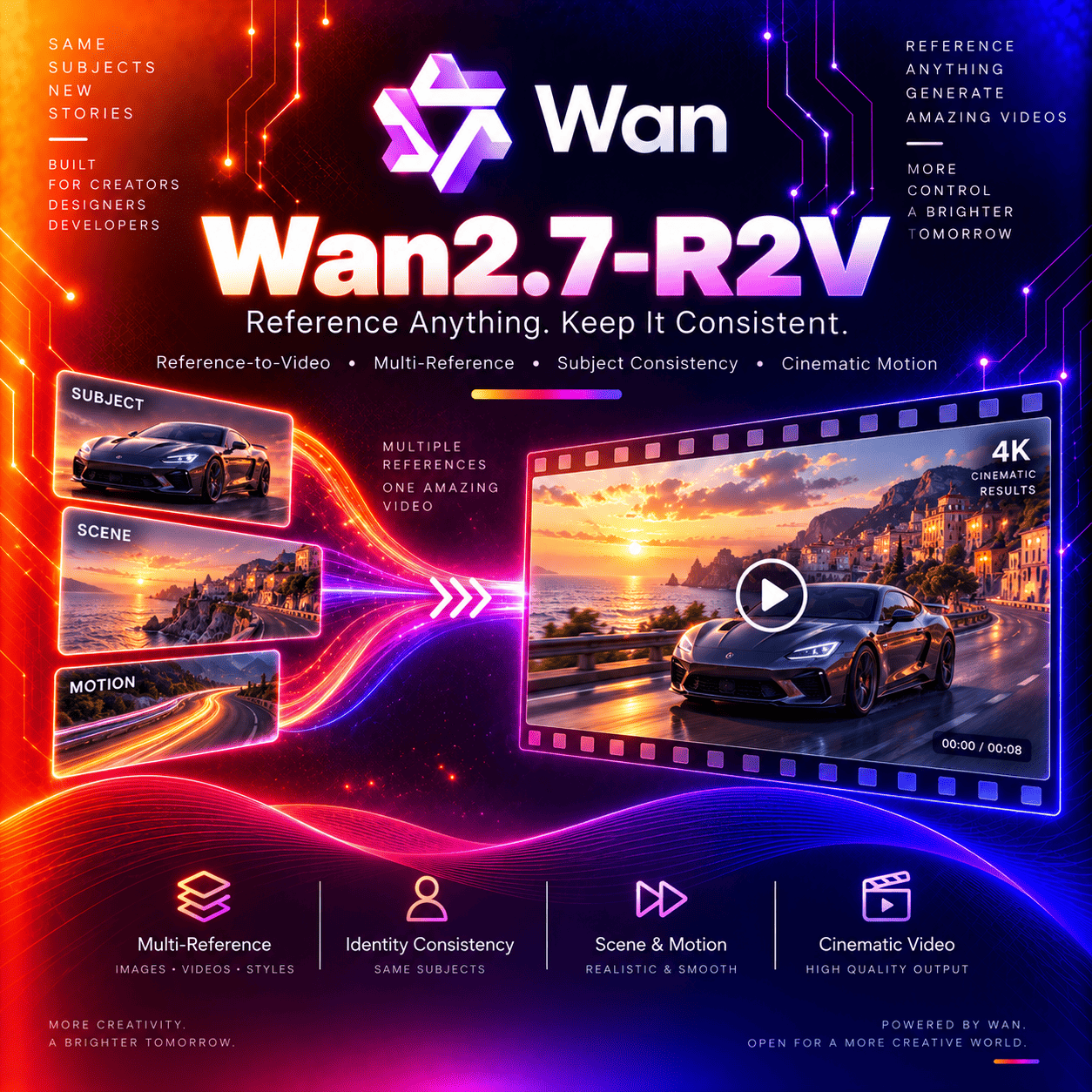
Cast your own characters, products and places into one new scene. Wan 2.7 R2V takes up to five reference images and videos, keeps how each one looks, gives each character its own cloned voice, and can start from your first frame. Up to 15 seconds in 720p or 1080p, with sound generated with the picture.
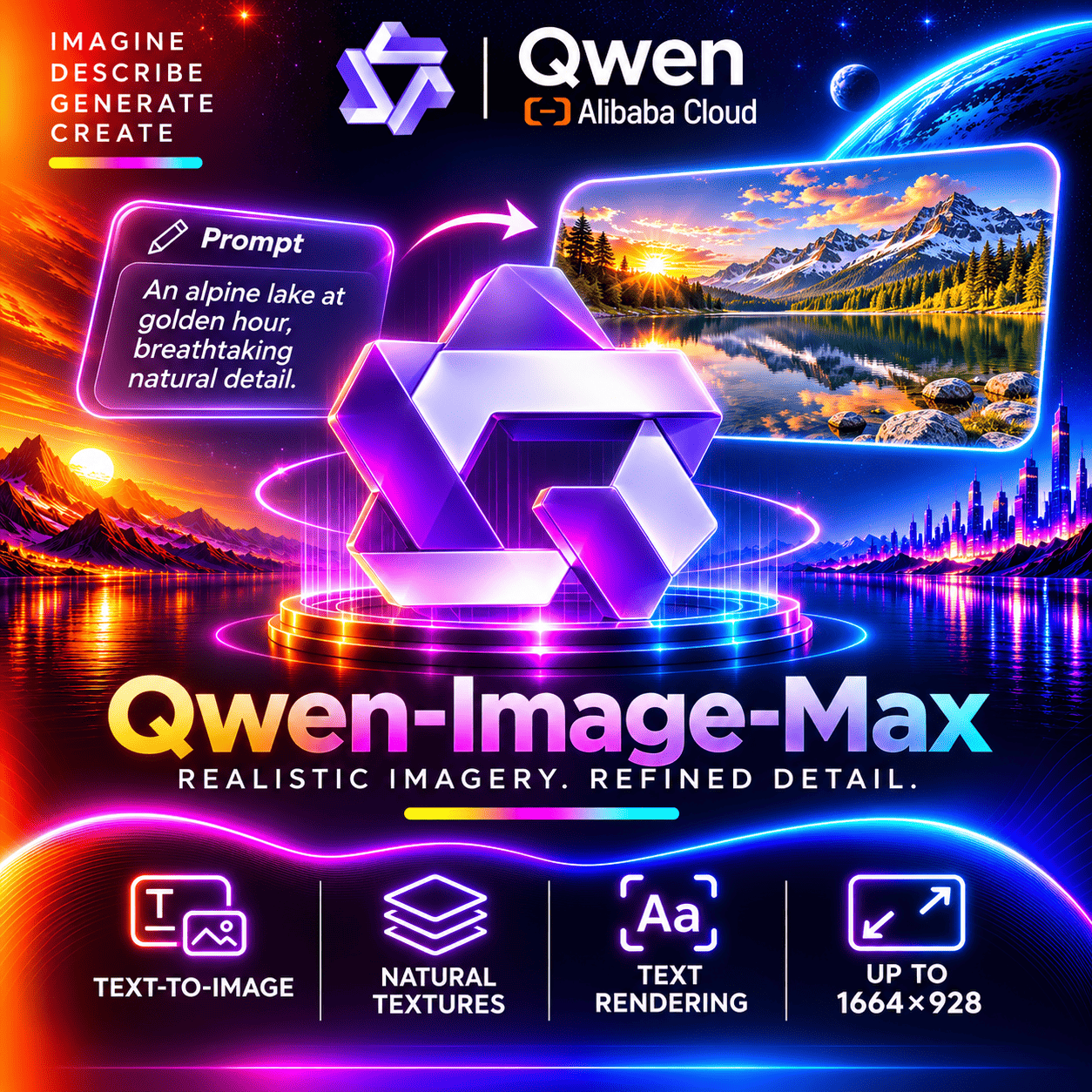
Qwen-Image-Max is the top text-to-image model of Alibaba's Qwen-Image line: photographic and illustrated images at five fixed sizes, up to 4 per request, with an optional built-in prompt rewrite.
Qwen3-14B carries 14.8 billion parameters across 40 layers, and switches between reasoning and direct answering without changing models. The switch is a tag: write /think or /no_think into a message and the mode changes on that turn, which makes deliberation a per-turn decision rather than a per-integration one. Tool calling works in both modes, which most switchable models cannot claim — so a fast-path agent is a real option rather than a compromise. Native context is 32,768 tokens, extendable to 131,072 with positional scaling, across more than a hundred languages under Apache 2.0.


